


- Afhalen na 1 uur in een winkel met voorraad
- Gratis thuislevering in België vanaf € 30
- Ruim aanbod met 7 miljoen producten
- Afhalen na 1 uur in een winkel met voorraad
- Gratis thuislevering in België vanaf € 30
- Ruim aanbod met 7 miljoen producten





Omschrijving
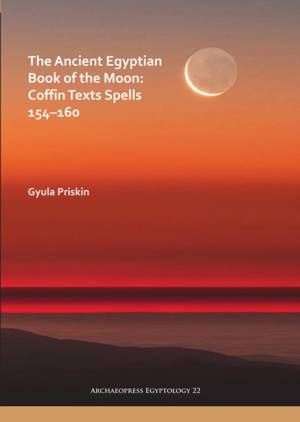
'The Ancient Egyptian Book of the Moon: Coffin Texts Spells 154-160' argues that Coffin Texts spells 154-160, recorded at around the beginning of the 2nd millennium bce, form the oldest composition about the moon in ancient Egypt and in the whole world. The detailed analysis of these spells, based on a new translation, reveals that the spells provide a chronologically ordered account of the phenomena that happen during a lunar month. It is argued that through a wide variety of mythological allusions, the separate texts - after an introduction which explains the origins of the month (spell 154) - describe the successive stages of the monthly cycle: the period of invisibility (spell 155), waxing (spell 156), events around the full moon (spell 157), waning (spell 158), the arrival of the last crescent at the eastern horizon (spell 159), and again the conjunction of the sun and the moon when a solar eclipse can occur (spell 160). After highlighting the possible lunar connotations of each spell, further chapters in the book investigate the origins of the composition, its different manuscripts preserved on coffins coming from Hermopolis and Asyut, and the survival of the spells in the later mortuary collection known as the Book of Going Forth by Day.
Specificaties
Betrokkenen
- Auteur(s):
- Uitgeverij:
Inhoud
- Aantal bladzijden:
- 262
- Taal:
- Engels
- Reeks:
Eigenschappen
- Productcode (EAN):
- 9781789691986
- Verschijningsdatum:
- 14/11/2019
- Uitvoering:
- Paperback
- Formaat:
- Trade paperback (VS)
- Afmetingen:
- 173 mm x 241 mm
- Gewicht:
- 612 g


Alleen bij Standaard Boekhandel
+ 81 punten op je klantenkaart van Standaard Boekhandel
CADEAU


Beoordelingen
We publiceren alleen reviews die voldoen aan de voorwaarden voor reviews. Bekijk onze voorwaarden voor reviews.