


- Afhalen na 1 uur in een winkel met voorraad
- Gratis thuislevering in België vanaf € 30
- Ruim aanbod met 7 miljoen producten
- Afhalen na 1 uur in een winkel met voorraad
- Gratis thuislevering in België vanaf € 30
- Ruim aanbod met 7 miljoen producten




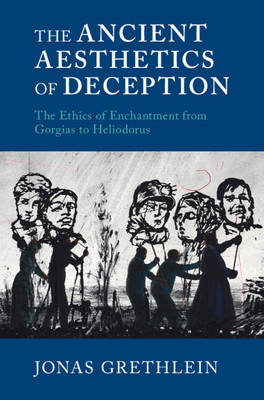
The Ancient Aesthetics of Deception
The Ethics of Enchantment from Gorgias to Heliodorus
Jonas Grethlein
Hardcover | Engels
€ 72,45
+ 144 punten
Omschrijving
The concept of mimesis has dominated reflection on the nature and role, in Greek literature, of representation. Jonas Grethlein, in his ambitious new book, takes this reflection a step further. He argues that, beyond mimesis, there was an important but unacknowledged strand of reflection focused instead on the nuanced idea of apatē (often translated into English as 'deceit'), oscillating between notions of 'deception' and 'aesthetic illusion'. Many authors from Gorgias and Plato to Philo, Plutarch and Clement of Alexandria used this key concept to entwine aesthetics with ethics. In creatively exploring the various reconfigurations of apatē, and placing these in their socio-historical contexts, the book offers a bold new history of ancient aesthetics. It also explores the present significance of the aesthetics of deception, unlocking the potential of ancient reflection for current debates on the ethical dimension of representation. It will appeal to scholars in classics and literary theory alike.
Specificaties
Betrokkenen
- Auteur(s):
- Uitgeverij:
Inhoud
- Aantal bladzijden:
- 332
- Taal:
- Engels
Eigenschappen
- Productcode (EAN):
- 9781316518816
- Verschijningsdatum:
- 16/09/2021
- Uitvoering:
- Hardcover
- Formaat:
- Genaaid
- Afmetingen:
- 206 mm x 234 mm
- Gewicht:
- 589 g


Alleen bij Standaard Boekhandel
+ 144 punten op je klantenkaart van Standaard Boekhandel
Cadeau

AANGERADEN


Beoordelingen
We publiceren alleen reviews die voldoen aan de voorwaarden voor reviews. Bekijk onze voorwaarden voor reviews.