


- Afhalen na 1 uur in een winkel met voorraad
- Gratis thuislevering in België vanaf € 30
- Ruim aanbod met 7 miljoen producten
- Afhalen na 1 uur in een winkel met voorraad
- Gratis thuislevering in België vanaf € 30
- Ruim aanbod met 7 miljoen producten





€ 26,45
+ 52 punten
Omschrijving
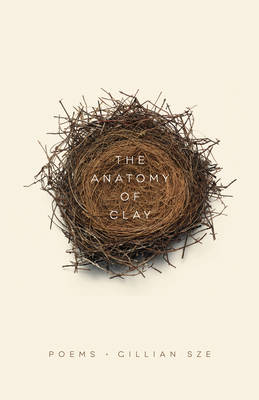
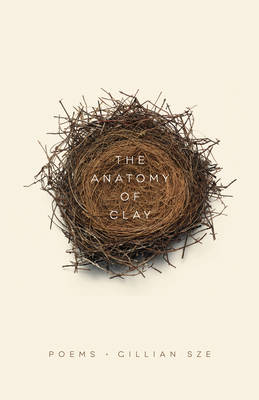
Taking off from the Promethean myth of human creation, Gillian Sze's second poetry collection explores the "anatomy of clay" and the individual as a sentient mystery. At times reflective, instructional, playful, or strange, the first section, Quotidianus, offers observational poems, which recount intimate and ordinary moments often missed, overlooked, or forgotten. Sze tugs at the fabric of habit and amidst the urban mundane finds her subjects in a woman waiting for the bus, a neighbour who talks to his plants, a girl smoking after a storm. The following section, Extimacy, takes a lyrical and confessional turn, veering inwards, dealing reflexively with the materiality of inner life: the self as ingredients, the self as experiment, the self as animal and artist. The Anatomy of Clay finds exceptions in the most prosaic conditions and the ineffable distinctions between people, selves, objects, and histories.
Specificaties
Betrokkenen
- Auteur(s):
- Uitgeverij:
Inhoud
- Aantal bladzijden:
- 112
- Taal:
- Engels
Eigenschappen
- Productcode (EAN):
- 9781770410145
- Verschijningsdatum:
- 1/04/2011
- Uitvoering:
- Paperback
- Formaat:
- Trade paperback (VS)
- Afmetingen:
- 140 mm x 213 mm
- Gewicht:
- 176 g


Alleen bij Standaard Boekhandel
+ 52 punten op je klantenkaart van Standaard Boekhandel
Cadeau

AANGERADEN


Beoordelingen
We publiceren alleen reviews die voldoen aan de voorwaarden voor reviews. Bekijk onze voorwaarden voor reviews.