


- Afhalen na 1 uur in een winkel met voorraad
- Gratis thuislevering in België vanaf € 30
- Ruim aanbod met 7 miljoen producten
- Afhalen na 1 uur in een winkel met voorraad
- Gratis thuislevering in België vanaf € 30
- Ruim aanbod met 7 miljoen producten





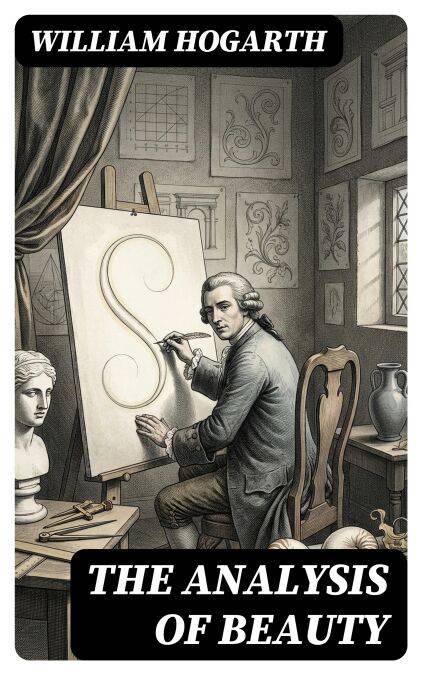
The Analysis of Beauty E-BOOK
Enriched edition. Written with a view of fixing the fluctuating ideas of taste
William Hogarth
E-book | Engels
€ 0,99
Uitvoering
Eenvoudig bestellen
Veilig betalen


Onmiddellijk geleverd via e-mail
Omschrijving
In "The Analysis of Beauty," William Hogarth meticulously explores the principles of aesthetics and beauty, arguing against the prevailing notions of symmetry and proportion in art. Employing a blend of empirical observation and philosophical inquiry, Hogarth introduces the concept of the 'Line of Beauty,' a serpentine line that reflects the grace found in nature and art. His rich prose and illustrative engravings invite readers into a deeper understanding of visual harmony, offering both a critique and a celebration of Baroque and Rococo influences prevalent in 18th-century British art. The work situates itself within the broader Enlightenment discourse, bridging art and emerging scientific thought. William Hogarth, a preeminent English painter and engraver, was deeply influenced by the socio-political landscape of 18th-century England and the evolving discussions surrounding art's purpose and morality. His experiences as an artist in a rapidly changing society, coupled with his keen observational skills, fueled his desire to articulate a theory of beauty that transcended conventional aesthetics. Hogarth's commitment to social commentary through visual storytelling informs the insights presented in this work. This book is indispensable for scholars of art history, aesthetics, and cultural studies, as it provides a unique lens on Hogarth's revolutionary ideas. Readers intrigued by the formulation of beauty and design in visual arts will find Hogarth's analysis both enlightening and foundational, as it resonates with contemporary debates surrounding artistic expression.
In this enriched edition, we have carefully created added value for your reading experience:
- A succinct Introduction situates the work's timeless appeal and themes.
- The Synopsis outlines the central plot, highlighting key developments without spoiling critical twists.
- A detailed Historical Context immerses you in the era's events and influences that shaped the writing.
- An Author Biography reveals milestones in the author's life, illuminating the personal insights behind the text.
- A thorough Analysis dissects symbols, motifs, and character arcs to unearth underlying meanings.
- Reflection questions prompt you to engage personally with the work's messages, connecting them to modern life.
- Hand‐picked Memorable Quotes shine a spotlight on moments of literary brilliance.
- Interactive footnotes clarify unusual references, historical allusions, and archaic phrases for an effortless, more informed read.
In this enriched edition, we have carefully created added value for your reading experience:
- A succinct Introduction situates the work's timeless appeal and themes.
- The Synopsis outlines the central plot, highlighting key developments without spoiling critical twists.
- A detailed Historical Context immerses you in the era's events and influences that shaped the writing.
- An Author Biography reveals milestones in the author's life, illuminating the personal insights behind the text.
- A thorough Analysis dissects symbols, motifs, and character arcs to unearth underlying meanings.
- Reflection questions prompt you to engage personally with the work's messages, connecting them to modern life.
- Hand‐picked Memorable Quotes shine a spotlight on moments of literary brilliance.
- Interactive footnotes clarify unusual references, historical allusions, and archaic phrases for an effortless, more informed read.
Specificaties
Betrokkenen
- Auteur(s):
- Uitgeverij:
Inhoud
- Aantal bladzijden:
- 159
- Taal:
- Engels
Eigenschappen
- Productcode (EAN):
- 8596547254430
- Verschijningsdatum:
- 3/09/2022
- Uitvoering:
- E-book
- Beveiligd met:
- Digital watermarking
- Formaat:
- ePub


Alleen bij Standaard Boekhandel
CADEAU

AANGERADEN


Beoordelingen
We publiceren alleen reviews die voldoen aan de voorwaarden voor reviews. Bekijk onze voorwaarden voor reviews.