


- Afhalen na 1 uur in een winkel met voorraad
- Gratis thuislevering in België vanaf € 30
- Ruim aanbod met 7 miljoen producten
- Afhalen na 1 uur in een winkel met voorraad
- Gratis thuislevering in België vanaf € 30
- Ruim aanbod met 7 miljoen producten





€ 137,45
+ 274 punten
Omschrijving
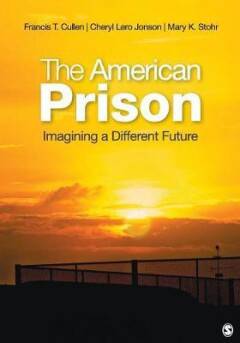
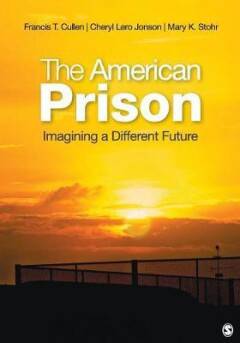
For the first time in four decades, prison populations are declining and politicians have reached the consensus that mass imprisonment is no longer sustainable. At this unique moment in the history of corrections, the opportunity has emerged to discuss in meaningful ways how best to shape efforts to control crime and to intervene effectively with offenders. This breakthrough book brings together established correctional scholars to imagine what this prison future might entail. Each scholar uses his or her expertise to craft--in an accessible way for students to read--a blueprint for how to create a new penology along a particular theme. For example, one contributor writes about how to use existing research expertise to create a prison that is therapeutic and another provides insight on how to create a "feminist" prison. In the final chapter the editors pull together the "lessons learned" in a cohesive, comprehensive essay.
Specificaties
Betrokkenen
- Auteur(s):
- Uitgeverij:
Inhoud
- Aantal bladzijden:
- 304
- Taal:
- Engels
Eigenschappen
- Productcode (EAN):
- 9781452241364
- Verschijningsdatum:
- 25/04/2013
- Uitvoering:
- Paperback
- Formaat:
- Trade paperback (VS)
- Afmetingen:
- 175 mm x 251 mm
- Gewicht:
- 521 g


Alleen bij Standaard Boekhandel
+ 274 punten op je klantenkaart van Standaard Boekhandel
Cadeau

AANGERADEN


Beoordelingen
We publiceren alleen reviews die voldoen aan de voorwaarden voor reviews. Bekijk onze voorwaarden voor reviews.