


- Afhalen na 1 uur in een winkel met voorraad
- Gratis thuislevering in België vanaf € 30
- Ruim aanbod met 7 miljoen producten
- Afhalen na 1 uur in een winkel met voorraad
- Gratis thuislevering in België vanaf € 30
- Ruim aanbod met 7 miljoen producten





€ 47,45
+ 94 punten
Omschrijving
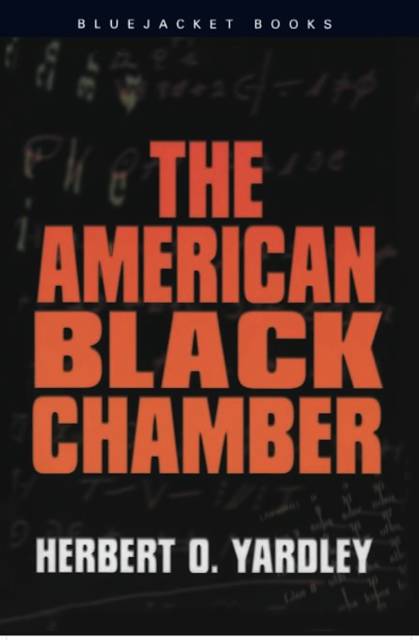
During the 1920s Herbert O. Yardley was chief of the first peacetime cryptanalytic organization in the United States, the ancestor of today's National Security Agency. Funded by the U.S. Army and the Department of State and working out of New York, his small and highly secret unit succeeded in breaking the diplomatic codes of several nations, including Japan. The decrypts played a critical role in U.S. diplomacy. Despite its extraordinary successes, the Black Chamber, as it came to known, was disbanded in 1929. President Hoover's new Secretary of State Henry L. Stimson refused to continue its funding with the now-famous comment, Gentlemen do not read other people's mail. In 1931 a disappointed Yardley caused a sensation when he published this book and revealed to the world exactly what his agency had done with the secret and illegal cooperation of nearly the entire American cable industry. These revelations and Yardley's right to publish them set into motion a conflict that continues to this day: the right to freedom of expression versus national security. In addition to offering an exposé on post-World War I cryptology, the book is filled with exciting stories and personalities.
Specificaties
Betrokkenen
- Auteur(s):
- Uitgeverij:
Inhoud
- Aantal bladzijden:
- 400
- Taal:
- Engels
- Reeks:
Eigenschappen
- Productcode (EAN):
- 9781591149897
- Verschijningsdatum:
- 15/01/2013
- Uitvoering:
- Paperback
- Formaat:
- Trade paperback (VS)
- Afmetingen:
- 152 mm x 226 mm
- Gewicht:
- 544 g



Alleen bij Standaard Boekhandel
+ 94 punten op je klantenkaart van Standaard Boekhandel
Cadeau

AANGERADEN


Beoordelingen
We publiceren alleen reviews die voldoen aan de voorwaarden voor reviews. Bekijk onze voorwaarden voor reviews.