


- Afhalen na 1 uur in een winkel met voorraad
- Gratis thuislevering in België vanaf € 30
- Ruim aanbod met 7 miljoen producten
- Afhalen na 1 uur in een winkel met voorraad
- Gratis thuislevering in België vanaf € 30
- Ruim aanbod met 7 miljoen producten





€ 68,95
+ 137 punten
Omschrijving
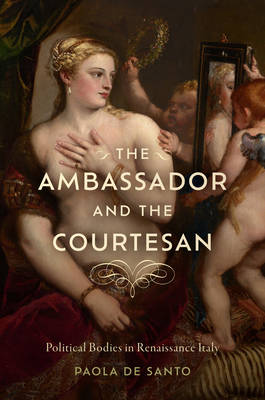
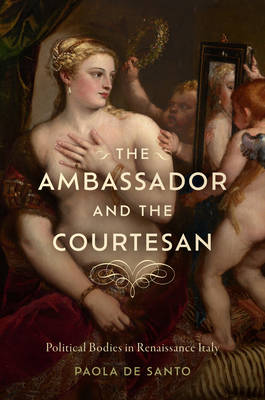
Drawing on literature, legal texts, and archival materials, The Ambassador and the Courtesan offers a comparative analysis of these two emerging roles in the early modern period and in Renaissance Italian society. While these two figures may appear unrelated, this book demonstrates their shared relation to the body politic, including the relationship of their very bodies to that metaphorical body. One imagines the early modern ambassador as traveling from one center of power to another, gathering news and disseminating it in writing, as well as negotiating in person. The courtesan, in contrast, is normally imagined employing her body in the service of entertaining elite clients in the enclosed space of the urban salon. These characterizations reinforce their very different roles in Renaissance Italian society and culture, but by placing them in dialogue, salient points of convergence emerge detailing how they were integral to the concurrent emergence of a modern subjectivity of the individual and the formation of the modern state.
Specificaties
Betrokkenen
- Auteur(s):
- Uitgeverij:
Inhoud
- Aantal bladzijden:
- 252
- Taal:
- Engels
- Reeks:
Eigenschappen
- Productcode (EAN):
- 9781644534151
- Verschijningsdatum:
- 10/02/2026
- Uitvoering:
- Paperback
- Formaat:
- Trade paperback (VS)
- Afmetingen:
- 159 mm x 233 mm
- Gewicht:
- 367 g


Alleen bij Standaard Boekhandel
+ 137 punten op je klantenkaart van Standaard Boekhandel
AANGERADEN


Beoordelingen
We publiceren alleen reviews die voldoen aan de voorwaarden voor reviews. Bekijk onze voorwaarden voor reviews.