


- Afhalen na 1 uur in een winkel met voorraad
- Gratis thuislevering in België vanaf € 30
- Ruim aanbod met 7 miljoen producten
- Afhalen na 1 uur in een winkel met voorraad
- Gratis thuislevering in België vanaf € 30
- Ruim aanbod met 7 miljoen producten




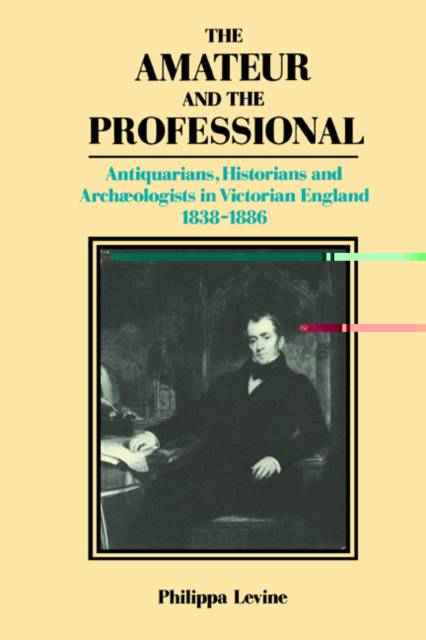
The Amateur and the Professional
Antiquarians, Historians and Archaeologists in Victorian England 1838 1886
P J a Levine, Philippa Levine
€ 82,45
+ 164 punten
Omschrijving
This book highlights the growing divide in nineteenth-century intellectual circles between amateur and professional interest, and explores the institutional means whereby professional ascendancy was achieved in the broad field of studies of the past. It is concerned with how antiquarian 'gentlemen of leisure', pursuing their interests through local archaeological societies, were, by the end of the century, relegated to the sidelines of the now university-based discipline of history. At the same time it explores the theological as well as technical barriers which arrested the development of archaeology in this period. This is a notable contribution to the intellectual history of Victorian England, attending not simply to the ideas perpetrated by these communities of scholarship but to their social status, relating such social consideration to a more traditional intellectual history to create a new social history of ideas.
Specificaties
Betrokkenen
- Auteur(s):
- Uitgeverij:
Inhoud
- Aantal bladzijden:
- 224
- Taal:
- Engels
- Reeks:
Eigenschappen
- Productcode (EAN):
- 9780521530507
- Verschijningsdatum:
- 13/02/2003
- Uitvoering:
- Paperback
- Formaat:
- Trade paperback (VS)
- Afmetingen:
- 155 mm x 229 mm
- Gewicht:
- 335 g



Alleen bij Standaard Boekhandel
+ 164 punten op je klantenkaart van Standaard Boekhandel
AANGERADEN


Beoordelingen
We publiceren alleen reviews die voldoen aan de voorwaarden voor reviews. Bekijk onze voorwaarden voor reviews.