


- Afhalen na 1 uur in een winkel met voorraad
- Gratis thuislevering in België vanaf € 30
- Ruim aanbod met 7 miljoen producten
- Afhalen na 1 uur in een winkel met voorraad
- Gratis thuislevering in België vanaf € 30
- Ruim aanbod met 7 miljoen producten





€ 140,95
+ 281 punten
Eenvoudig bestellen
Veilig betalen


Gratis thuislevering vanaf € 30 (via bpost)
Gratis levering in je Standaard Boekhandel
Omschrijving
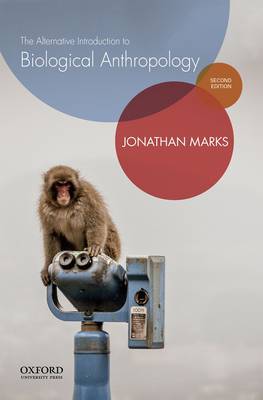
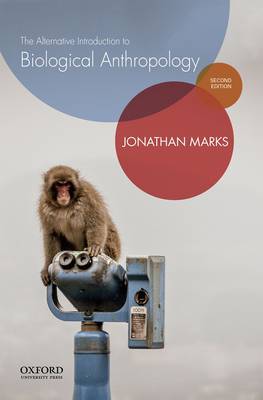
In The Alternative Introduction to Biological Anthropology, Second Edition, author Jonathan Marks presents an innovative framework for thinking about the major issues in the field with fourteen original essays designed to correlate to the core chapters in standard textbooks. Each chapter draws on and complements--but does not reconstitute (except for the sake of clarity)--the major data and ideas presented in standard texts. Marks explores such topics as how we make sense of data about our origins, where our modern ideas come from, our inability to separate natural facts from cultural facts and values as we try to understand ourselves, and the social and political aspects of science as a culturally situated mental activity.
Specificaties
Betrokkenen
- Auteur(s):
- Uitgeverij:
Inhoud
- Aantal bladzijden:
- 304
- Taal:
- Engels
Eigenschappen
- Productcode (EAN):
- 9780190490997
- Verschijningsdatum:
- 1/06/2017
- Uitvoering:
- Paperback
- Formaat:
- Trade paperback (VS)
- Afmetingen:
- 155 mm x 231 mm
- Gewicht:
- 430 g


Alleen bij Standaard Boekhandel
+ 281 punten op je klantenkaart van Standaard Boekhandel
CADEAU

AANGERADEN


Beoordelingen
We publiceren alleen reviews die voldoen aan de voorwaarden voor reviews. Bekijk onze voorwaarden voor reviews.