


- Afhalen na 1 uur in een winkel met voorraad
- Gratis thuislevering in België vanaf € 30
- Ruim aanbod met 7 miljoen producten
- Afhalen na 1 uur in een winkel met voorraad
- Gratis thuislevering in België vanaf € 30
- Ruim aanbod met 7 miljoen producten





€ 13,41
+ 13 punten
Uitvoering
Eenvoudig bestellen
Veilig betalen


Onmiddellijk geleverd via e-mail
Omschrijving
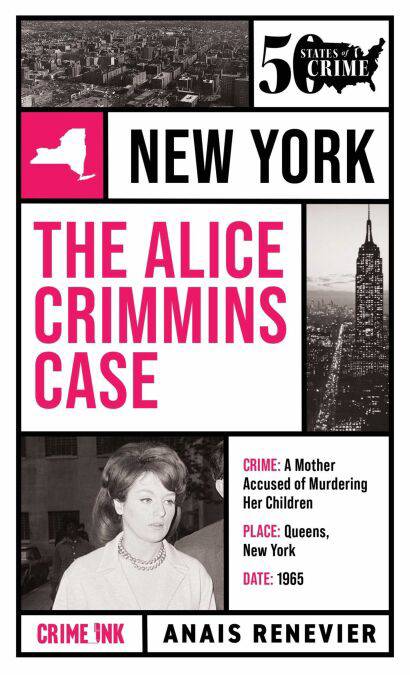
New York, Summer of 1965. Two children disappear . . . the mother must be guilty.
One hot summer, two young children disappeared from their first-floor apartment in the Kew Gardens neighborhood of Queens, New York. Their mother, Alice Crimmins, reported them missing to the police. Later that day, the body of four-year-old Missy was found in a vacant lot, showing signs of having been strangled. The body of five-year-old Eddie, Jr., was found several days later.Police were immediately suspicious of the mother. Recently divorced, with teased red hair and heavy makeup, Alice Crimmins did not fit the maternal ideal held by the predominantly Catholic police detectives on the case. Her every action was scrutinized: Was she behaving like an appropriately grief-stricken mother or like a cold-hearted killer? After three years of police surveillance, Alice was charged with the murder of her children in 1968 in a highly publicized trial. Ultimately found guilty of manslaughter, Alice spent a decade in prison before being released on parole in 1977.But was she truly guilty, or just the victim of police bias and misogynistic judgment? Journalist Anaïs Renevier revisits the case, exploring one of the most famous and divisive trials in recent American history.
50 States of Crime: France's leading true crime journalists investigate America's most notorious cases, one for every state in the Union, offering up fresh perspectives on famously storied crimes and reflecting, in the process, a dark national legacy that leads from coast to coast.
One hot summer, two young children disappeared from their first-floor apartment in the Kew Gardens neighborhood of Queens, New York. Their mother, Alice Crimmins, reported them missing to the police. Later that day, the body of four-year-old Missy was found in a vacant lot, showing signs of having been strangled. The body of five-year-old Eddie, Jr., was found several days later.Police were immediately suspicious of the mother. Recently divorced, with teased red hair and heavy makeup, Alice Crimmins did not fit the maternal ideal held by the predominantly Catholic police detectives on the case. Her every action was scrutinized: Was she behaving like an appropriately grief-stricken mother or like a cold-hearted killer? After three years of police surveillance, Alice was charged with the murder of her children in 1968 in a highly publicized trial. Ultimately found guilty of manslaughter, Alice spent a decade in prison before being released on parole in 1977.But was she truly guilty, or just the victim of police bias and misogynistic judgment? Journalist Anaïs Renevier revisits the case, exploring one of the most famous and divisive trials in recent American history.
50 States of Crime: France's leading true crime journalists investigate America's most notorious cases, one for every state in the Union, offering up fresh perspectives on famously storied crimes and reflecting, in the process, a dark national legacy that leads from coast to coast.
Specificaties
Betrokkenen
- Auteur(s):
- Uitgeverij:
Inhoud
- Aantal bladzijden:
- 192
- Taal:
- Engels
- Reeks:
Eigenschappen
- Productcode (EAN):
- 9781613166307
- Verschijningsdatum:
- 10/02/2025
- Uitvoering:
- E-book
- Beveiligd met:
- Adobe DRM
- Formaat:
- ePub



Alleen bij Standaard Boekhandel
+ 13 punten op je klantenkaart van Standaard Boekhandel
CADEAU

AANGERADEN


Beoordelingen
We publiceren alleen reviews die voldoen aan de voorwaarden voor reviews. Bekijk onze voorwaarden voor reviews.