


- Afhalen na 1 uur in een winkel met voorraad
- Gratis thuislevering in België vanaf € 30
- Ruim aanbod met 7 miljoen producten
- Afhalen na 1 uur in een winkel met voorraad
- Gratis thuislevering in België vanaf € 30
- Ruim aanbod met 7 miljoen producten





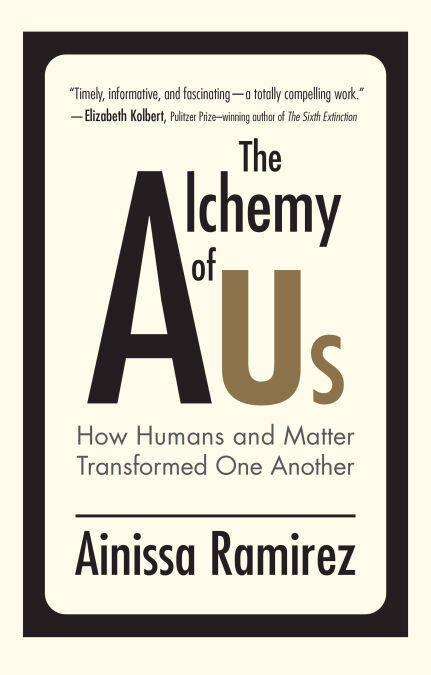
The Alchemy of Us E-BOOK
How Humans and Matter Transformed One Another
Ainissa Ramirez
E-book | Engels
€ 22,62
+ 22 punten
Uitvoering
Omschrijving
A “timely, informative, and fascinating” study of 8 inventions—and how they shaped our world—with “totally compelling” insights on little-known inventors throughout history (Elizabeth Kolbert, Pulitzer Prize–winning author of The Sixth Extinction)
In The Alchemy of Us, scientist and science writer Ainissa Ramirez examines 8 inventions and reveals how they shaped the human experience:
• Clocks
• Steel rails
• Copper communication cables
• Photographic film
• Light bulbs
• Hard disks
• Scientific labware
• Silicon chips
Ramirez tells the stories of the woman who sold time, the inventor who inspired Edison, and the hotheaded undertaker whose invention pointed the way to the computer. She describes how our pursuit of precision in timepieces changed how we sleep; how the railroad helped commercialize Christmas; how the necessary brevity of the telegram influenced Hemingway’s writing style; and how a young chemist exposed the use of Polaroid’s cameras to create passbooks to track black citizens in apartheid South Africa. These fascinating and inspiring stories offer new perspectives on our relationships with technologies.
Ramirez shows not only how materials were shaped by inventors but also how those materials shaped culture, chronicling each invention and its consequences—intended and unintended. Filling in the gaps left by other books about technology, Ramirez showcases little-known inventors—particularly people of color and women—who had a significant impact but whose accomplishments have been hidden by mythmaking, bias, and convention. Doing so, she shows us the power of telling inclusive stories about technology. She also shows that innovation is universal—whether it's splicing beats with two turntables and a microphone or splicing genes with two test tubes and CRISPR.
In The Alchemy of Us, scientist and science writer Ainissa Ramirez examines 8 inventions and reveals how they shaped the human experience:
• Clocks
• Steel rails
• Copper communication cables
• Photographic film
• Light bulbs
• Hard disks
• Scientific labware
• Silicon chips
Ramirez tells the stories of the woman who sold time, the inventor who inspired Edison, and the hotheaded undertaker whose invention pointed the way to the computer. She describes how our pursuit of precision in timepieces changed how we sleep; how the railroad helped commercialize Christmas; how the necessary brevity of the telegram influenced Hemingway’s writing style; and how a young chemist exposed the use of Polaroid’s cameras to create passbooks to track black citizens in apartheid South Africa. These fascinating and inspiring stories offer new perspectives on our relationships with technologies.
Ramirez shows not only how materials were shaped by inventors but also how those materials shaped culture, chronicling each invention and its consequences—intended and unintended. Filling in the gaps left by other books about technology, Ramirez showcases little-known inventors—particularly people of color and women—who had a significant impact but whose accomplishments have been hidden by mythmaking, bias, and convention. Doing so, she shows us the power of telling inclusive stories about technology. She also shows that innovation is universal—whether it's splicing beats with two turntables and a microphone or splicing genes with two test tubes and CRISPR.
Specificaties
Betrokkenen
- Auteur(s):
- Uitgeverij:
Inhoud
- Aantal bladzijden:
- 328
- Taal:
- Engels
Eigenschappen
- Productcode (EAN):
- 9780262358088
- Verschijningsdatum:
- 02/03/2020
- Uitvoering:
- E-book
- Beveiligd met:
- Adobe DRM
- Formaat:
- ePub


Alleen bij Standaard Boekhandel
+ 22 punten op je klantenkaart van Standaard Boekhandel
Cadeau

AANGERADEN


Beoordelingen
We publiceren alleen reviews die voldoen aan de voorwaarden voor reviews. Bekijk onze voorwaarden voor reviews.