


- Afhalen na 1 uur in een winkel met voorraad
- Gratis thuislevering in België vanaf € 30
- Ruim aanbod met 7 miljoen producten
- Afhalen na 1 uur in een winkel met voorraad
- Gratis thuislevering in België vanaf € 30
- Ruim aanbod met 7 miljoen producten





€ 69,45
+ 138 punten
Uitvoering
Omschrijving
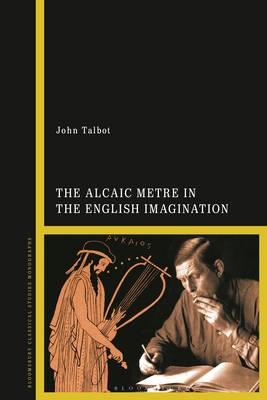
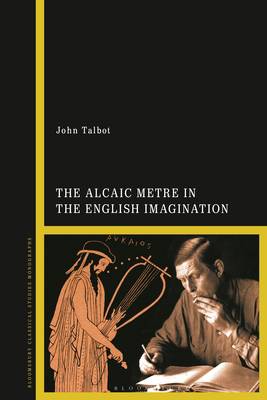
This book reveals how a remarkable ancient Greek and Latin poetic form -- the alcaic metre -- found its way into English poetry, and continues shaping the imagination of poets today. English poets have always admired the extraordinary beauty and intricacy of the alcaic stanza (Tennyson called it 'the grandest of all measures') and their inventive responses to the ancient alcaic have generated remarkable innovations in the rhythms, sounds and shapes of modern poetry. This is the first book-length study of this neglected strand of English literary history and classical reception.
Attending closely to the rhythm and texture of their verses, John Talbot reveals surprising connections between English poets across five centuries, among them Mary Shelley, Milton, Marvell, Tennyson, Edward FitzGerald, Wilfred Owen, W. H. Auden and Donald Hall. He gives special attention to a flourishing of English alcaics during the late twentieth and twenty-first centuries, and what it suggests about the changing place of classics and poetic form in contemporary culture.Specificaties
Betrokkenen
- Auteur(s):
- Uitgeverij:
Inhoud
- Aantal bladzijden:
- 236
- Taal:
- Engels
Eigenschappen
- Productcode (EAN):
- 9781350232532
- Verschijningsdatum:
- 25/01/2024
- Uitvoering:
- Paperback
- Formaat:
- Trade paperback (VS)
- Afmetingen:
- 156 mm x 234 mm
- Gewicht:
- 335 g


Alleen bij Standaard Boekhandel
+ 138 punten op je klantenkaart van Standaard Boekhandel
Cadeau

AANGERADEN


Beoordelingen
We publiceren alleen reviews die voldoen aan de voorwaarden voor reviews. Bekijk onze voorwaarden voor reviews.