


- Afhalen na 1 uur in een winkel met voorraad
- Gratis thuislevering in België vanaf € 30
- Ruim aanbod met 7 miljoen producten
- Afhalen na 1 uur in een winkel met voorraad
- Gratis thuislevering in België vanaf € 30
- Ruim aanbod met 7 miljoen producten





Omschrijving
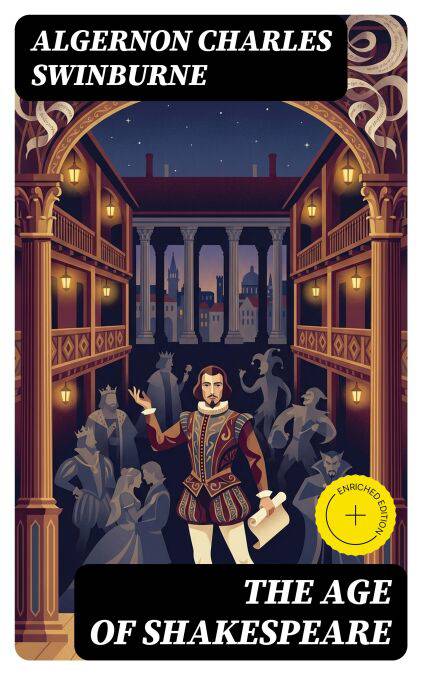
In "The Age of Shakespeare," Algernon Charles Swinburne undertakes an extensive exploration of the Elizabethan theatrical landscape, emphasizing the transformative impact of William Shakespeare on both literature and the performing arts. Swinburne's literary style is characterized by its exuberant lyricism and rhythmic complexity, employing a blend of poetic analysis and theatrical critique. Set against the rich backdrop of the Renaissance, this work intricately examines how Shakespeare's innovative use of language, characterization, and thematic depth revolutionized dramatic expression, positioning him as a forerunner in the evolution of modern literature. Swinburne, a noted 19th-century poet and playwright, drew inspiration from Shakespeare's mastery and philosophical explorations. His own life as a literary figure involved a deep engagement with the intricacies of poetic form and dramatic structure, informed by a fascination with both classical and contemporary literature. His profound admiration for Shakespeare is evident in Swinburne's style, which mirrors the passion and complexity that define the Bard's works, making his analysis both personal and scholarly. This book is essential for scholars and aficionados of Shakespearean drama, offering engrossing insights that illuminate the profound layers of meaning within the texts. Swinburne's passionate and articulate advocacy for Shakespeare not only enriches the reader's understanding, but also invites a renewed appreciation for the timeless relevance of the Bard's works in today's literary discourse.
Specificaties
Betrokkenen
- Auteur(s):
- Uitgeverij:
Inhoud
- Aantal bladzijden:
- 174
- Taal:
- Engels
Eigenschappen
- Productcode (EAN):
- 8596547124153
- Verschijningsdatum:
- 31/07/2022
- Uitvoering:
- E-book
- Beveiligd met:
- Digital watermarking
- Formaat:
- ePub


Alleen bij Standaard Boekhandel
Cadeau

AANGERADEN


Beoordelingen
We publiceren alleen reviews die voldoen aan de voorwaarden voor reviews. Bekijk onze voorwaarden voor reviews.