


- Afhalen na 1 uur in een winkel met voorraad
- Gratis thuislevering in België vanaf € 30
- Ruim aanbod met 7 miljoen producten
- Afhalen na 1 uur in een winkel met voorraad
- Gratis thuislevering in België vanaf € 30
- Ruim aanbod met 7 miljoen producten





€ 216,45
+ 432 punten
Omschrijving
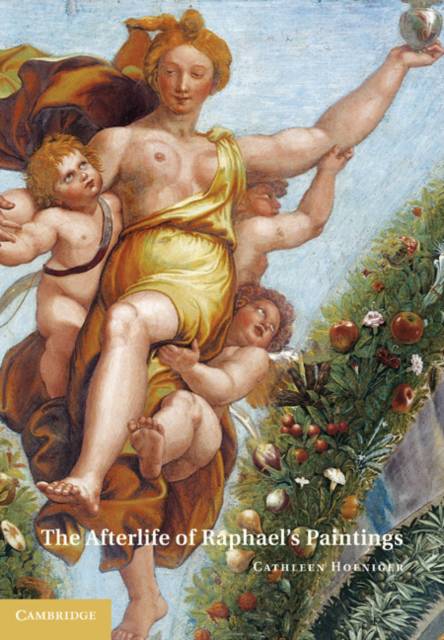
Raphael is one of the rare artists who have never gone out of fashion. Acclaimed during his lifetime, he was imitated by contemporaries and served as a model for painters through the nineteenth century. Because of the artist's renown, his works have continuously been subject to care, conservation, and restoration. In this book, Cathleen Hoeniger focuses on the legacy of Raphael's art: the historical trajectory - or "afterlife" - of the paintings themselves. The appreciation of Raphael was expressed and the restoration of his works debated in contemporary treatises, which provide a backdrop for probing the fortune of his paintings. What happened to his panel-paintings and frescoes in the centuries after his death in 1520? Some were lost altogether; others were severely damaged in natural disasters; and many were affected by uncontrolled climactic conditions, by travel from one place to another, and by the not always cautious and careful hands of restorers. This book reveals the five-hundred-year story of many of Raphael's most well-known paintings.
Specificaties
Betrokkenen
- Auteur(s):
- Uitgeverij:
Inhoud
- Aantal bladzijden:
- 448
- Taal:
- Engels
Eigenschappen
- Productcode (EAN):
- 9780521196949
- Verschijningsdatum:
- 21/10/2010
- Uitvoering:
- Hardcover
- Formaat:
- Genaaid
- Afmetingen:
- 175 mm x 257 mm
- Gewicht:
- 1383 g


Alleen bij Standaard Boekhandel
+ 432 punten op je klantenkaart van Standaard Boekhandel
Cadeau

AANGERADEN


Beoordelingen
We publiceren alleen reviews die voldoen aan de voorwaarden voor reviews. Bekijk onze voorwaarden voor reviews.