


- Afhalen na 1 uur in een winkel met voorraad
- Gratis thuislevering in België vanaf € 30
- Ruim aanbod met 7 miljoen producten
- Afhalen na 1 uur in een winkel met voorraad
- Gratis thuislevering in België vanaf € 30
- Ruim aanbod met 7 miljoen producten





€ 32,90
Uitvoering
Omschrijving
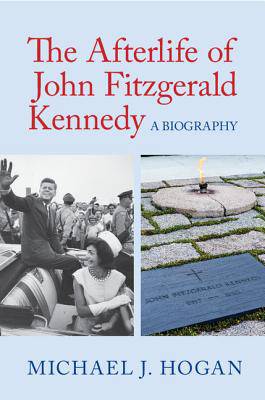
In his new book, Michael J. Hogan, a leading historian of the American presidency, offers a new perspective on John Fitzgerald Kennedy, as seen not from his life and times but from his afterlife in American memory. The Afterlife of John Fitzgerald Kennedy considers how Kennedy constructed a popular image of himself, in effect, a brand, as he played the part of president on the White House stage. The cultural trauma brought on by his assassination further burnished that image and began the process of transporting Kennedy from history to memory. Hogan shows how Jacqueline Kennedy, as the chief guardian of her husband's memory, devoted herself to embedding the image of the slain president in the collective memory of the nation, evident in the many physical and literary monuments dedicated to his memory. Regardless of critics, most Americans continue to see Kennedy as his wife wanted him remembered: the charming war hero, the loving husband and father, and the peacemaker and progressive leader who inspired confidence and hope in the American people.
Specificaties
Betrokkenen
- Auteur(s):
- Uitgeverij:
Inhoud
- Aantal bladzijden:
- 324
- Taal:
- Engels
Eigenschappen
- Productcode (EAN):
- 9781107186996
- Verschijningsdatum:
- 3/03/2017
- Uitvoering:
- Hardcover
- Formaat:
- Genaaid
- Afmetingen:
- 160 mm x 238 mm
- Gewicht:
- 612 g


Alleen bij Standaard Boekhandel
Cadeau

AANGERADEN


Beoordelingen
We publiceren alleen reviews die voldoen aan de voorwaarden voor reviews. Bekijk onze voorwaarden voor reviews.