


- Afhalen na 1 uur in een winkel met voorraad
- Gratis thuislevering in België vanaf € 30
- Ruim aanbod met 7 miljoen producten
- Afhalen na 1 uur in een winkel met voorraad
- Gratis thuislevering in België vanaf € 30
- Ruim aanbod met 7 miljoen producten





€ 88,45
+ 176 punten
Uitvoering
Eenvoudig bestellen
Veilig betalen


Gratis thuislevering vanaf € 30 (via bpost)
Gratis levering in je Standaard Boekhandel
Omschrijving
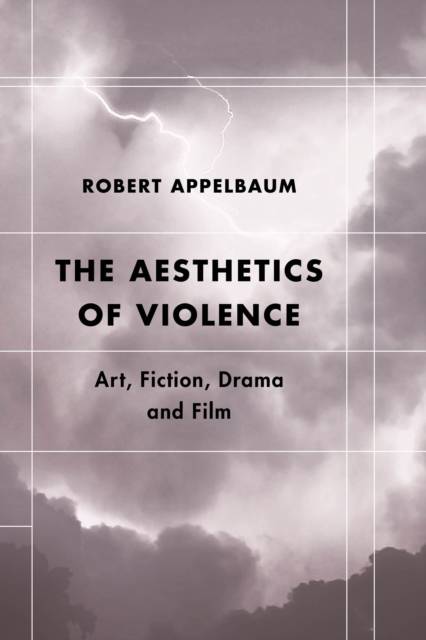
Violence at an aesthetic remove from the spectator or reader has been a key element of narrative and visual arts since Greek antiquity. Here Robert Appelbaum explores the nature of mimesis, aggression, the effects of antagonism and victimization and the political uses of art throughout history. He examines how violence in art is formed, contextualised and used by its audiences and readers. Bringing traditional German aesthetic and social theory to bear on the modern problem of violence in art, Appelbaum engages theorists including Kant, Schiller, Hegel, Adorno and Gadamer. The book takes the reader from Homer and Shakespeare to slasher films and performance art, showing how violence becomes at once a language, a motive, and an idea in the experience of art. It addresses the controversies head on, taking a nuanced view of the subject, understanding that art can damage as well as redeem. But it concludes by showing that violence (in the real world) is a necessary condition of art (in the world of mimetic play).
Specificaties
Betrokkenen
- Auteur(s):
- Uitgeverij:
Inhoud
- Aantal bladzijden:
- 196
- Taal:
- Engels
- Reeks:
Eigenschappen
- Productcode (EAN):
- 9781786610904
- Verschijningsdatum:
- 09/05/2019
- Uitvoering:
- Paperback
- Formaat:
- Trade paperback (VS)
- Afmetingen:
- 152 mm x 229 mm
- Gewicht:
- 294 g


Alleen bij Standaard Boekhandel
+ 176 punten op je klantenkaart van Standaard Boekhandel
CADEAU

AANGERADEN


Beoordelingen
We publiceren alleen reviews die voldoen aan de voorwaarden voor reviews. Bekijk onze voorwaarden voor reviews.