


- Afhalen na 1 uur in een winkel met voorraad
- Gratis thuislevering in België vanaf € 30
- Ruim aanbod met 7 miljoen producten
- Afhalen na 1 uur in een winkel met voorraad
- Gratis thuislevering in België vanaf € 30
- Ruim aanbod met 7 miljoen producten





€ 76,45
+ 152 punten
Uitvoering
Omschrijving
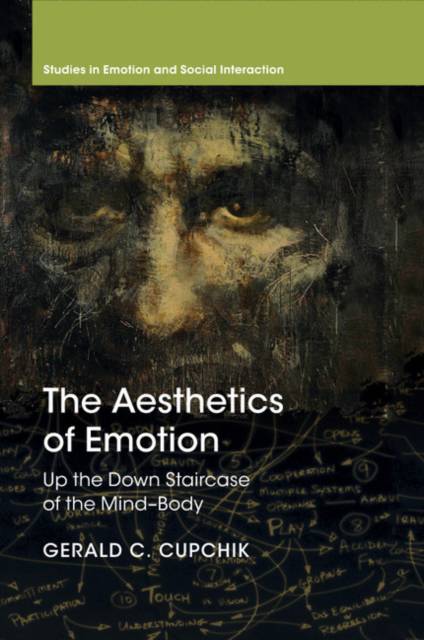
Gerald C. Cupchik builds a bridge between science and the humanities, arguing that interactions between mind and body in everyday life are analogous to relations between subject matter and style in art. According to emotional phase theory, emotional reactions emerge in a 'perfect storm' whereby meaningful situations evoke bodily memories that unconsciously shape and unify the experience. Similarly, in expressionist or impressionist painting, an evocative visual style can spontaneously colour the experience and interpretation of subject matter. Three basic situational themes encompass complementary pairs of primary emotions: attachment (happiness - sadness), assertion (fear - anger), and absorption (interest - disgust). Action episodes, in which a person adapts to challenges or seeks to realize goals, benefit from energizing bodily responses which focus attention on the situation while providing feedback, in the form of pleasure or pain, regarding success or failure. In high representational paintings, style is transparent, making it easier to fluently identify subject matter.
Specificaties
Betrokkenen
- Auteur(s):
- Uitgeverij:
Inhoud
- Aantal bladzijden:
- 416
- Taal:
- Engels
- Reeks:
Eigenschappen
- Productcode (EAN):
- 9781108463935
- Verschijningsdatum:
- 21/06/2018
- Uitvoering:
- Paperback
- Formaat:
- Trade paperback (VS)
- Afmetingen:
- 152 mm x 229 mm
- Gewicht:
- 553 g


Alleen bij Standaard Boekhandel
+ 152 punten op je klantenkaart van Standaard Boekhandel
Cadeau

AANGERADEN


Beoordelingen
We publiceren alleen reviews die voldoen aan de voorwaarden voor reviews. Bekijk onze voorwaarden voor reviews.