


- Afhalen na 1 uur in een winkel met voorraad
- Gratis thuislevering in België vanaf € 30
- Ruim aanbod met 7 miljoen producten
- Afhalen na 1 uur in een winkel met voorraad
- Gratis thuislevering in België vanaf € 30
- Ruim aanbod met 7 miljoen producten





€ 54,45
+ 108 punten
Omschrijving
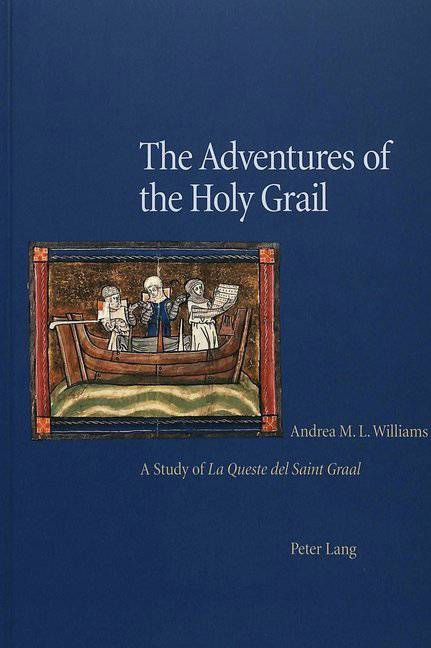
La Queste del Saint Graal is one of the best-known and most important of the medieval Grail Romances, being the first text to portray the character of Galahad the «perfect» knight, and the earliest extant version of the tale to attempt to fuse the dual tradition associated with the Grail: pseudo-Celtic and Christian. However, it is often considered a difficult text, containing passages of dense metaphor and a seemingly disjointed plot.
This study explains the link between metaphor and structure within the text, by means of detailed analysis of certain key sections of the narrative, showing how the author has carefully constructed a hierarchy of characters. What also emerges is that the author places the reader in a position analogous to that of the questing knights, struggling to understand the adventures with which they are presented, and able to do so insofar as they have grasped the symbolic significance of earlier events in the story. The literary technique of structuring a text by means of metaphor is employed not only in La Queste del Saint Graal, but is characteristic of much medieval narrative: thus this analysis has implications for the interpretation of other examples of the genre.
This study explains the link between metaphor and structure within the text, by means of detailed analysis of certain key sections of the narrative, showing how the author has carefully constructed a hierarchy of characters. What also emerges is that the author places the reader in a position analogous to that of the questing knights, struggling to understand the adventures with which they are presented, and able to do so insofar as they have grasped the symbolic significance of earlier events in the story. The literary technique of structuring a text by means of metaphor is employed not only in La Queste del Saint Graal, but is characteristic of much medieval narrative: thus this analysis has implications for the interpretation of other examples of the genre.
Specificaties
Betrokkenen
- Auteur(s):
- Uitgeverij:
Inhoud
- Aantal bladzijden:
- 206
- Taal:
- Engels
Eigenschappen
- Productcode (EAN):
- 9783906766843
- Verschijningsdatum:
- 15/05/2001
- Uitvoering:
- Paperback
- Formaat:
- Trade paperback (VS)
- Afmetingen:
- 150 mm x 220 mm
- Gewicht:
- 299 g


Alleen bij Standaard Boekhandel
+ 108 punten op je klantenkaart van Standaard Boekhandel
Cadeau

AANGERADEN


Beoordelingen
We publiceren alleen reviews die voldoen aan de voorwaarden voor reviews. Bekijk onze voorwaarden voor reviews.