


- Afhalen na 1 uur in een winkel met voorraad
- Gratis thuislevering in België vanaf € 30
- Ruim aanbod met 7 miljoen producten
- Afhalen na 1 uur in een winkel met voorraad
- Gratis thuislevering in België vanaf € 30
- Ruim aanbod met 7 miljoen producten





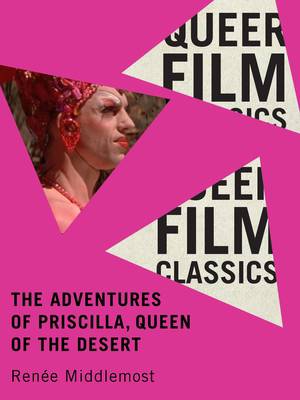
The Adventures of Priscilla, Queen of the Desert
Renée Middlemost
€ 24,45
+ 48 punten
Omschrijving
Written in less than ten days in 1994, The Adventures of Priscilla, Queen of the Desert became a cultural phenomenon that fundamentally altered mainstream ideas about queer identity worldwide.
The iconic imagery of Priscilla still resonates as a symbol of global queer pride and liberation in spite of a critical reception that has varied since its release. Renée Middlemost provides valuable insight into the key debates surrounding the film through an overview of its production, initial reception, and legacy - adaptation into a stage musical, theme for an Olympic float, and inspiration for reality television programs. The evolution of Priscilla's reputation also offers insight into ever-changing cultural attitudes: wild praise upon release, academic and critical backlash, and finally a nuanced but warm welcome into the history of Australian cinema. Equal parts road movie, musical, and comedy, Priscilla moved between genres, pulling off a radical centring of queer lives for mainstream consumption in the mid-1990s. Passing its thirtieth anniversary, The Adventures of Priscilla, Queen of the Desert endures as cult object and cultural touchstone, adored by devoted audiences while serving as a reminder of progress made and the work still needed for acceptance. As Middlemost says of her first viewing in a suburban Sydney multiplex in 1994: "It was rude, it was sparkly, it shocked the family members who had begrudgingly taken me; I loved it."Specificaties
Betrokkenen
- Auteur(s):
- Uitgeverij:
Inhoud
- Aantal bladzijden:
- 162
- Taal:
- Engels
- Reeks:
- Reeksnummer:
- nr. 1
Eigenschappen
- Productcode (EAN):
- 9780228027805
- Verschijningsdatum:
- 19/05/2026
- Uitvoering:
- Paperback
- Formaat:
- Trade paperback (VS)
- Afmetingen:
- 152 mm x 196 mm
- Gewicht:
- 217 g


Alleen bij Standaard Boekhandel
+ 48 punten op je klantenkaart van Standaard Boekhandel
CADEAU

AANGERADEN


Beoordelingen
We publiceren alleen reviews die voldoen aan de voorwaarden voor reviews. Bekijk onze voorwaarden voor reviews.