


- Afhalen na 1 uur in een winkel met voorraad
- Gratis thuislevering in België vanaf € 30
- Ruim aanbod met 7 miljoen producten
- Afhalen na 1 uur in een winkel met voorraad
- Gratis thuislevering in België vanaf € 30
- Ruim aanbod met 7 miljoen producten





Omschrijving
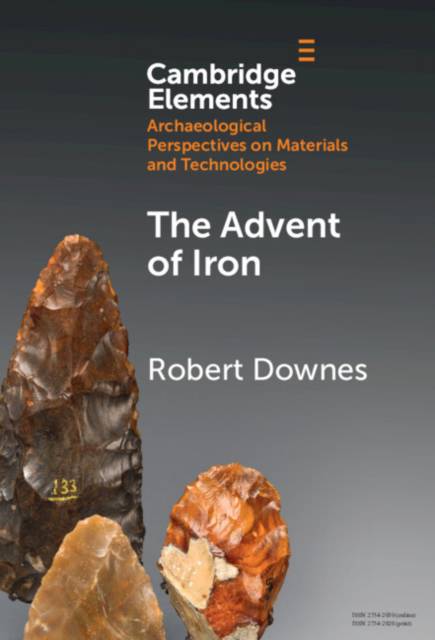
Before the latter half of the 2nd millennium BCE, smelted iron was virtually unknown in the Near East. Yet by the turn of the millennium iron had already begun to displace copper alloys across the region. This Element will explore the extent to which this phenomenon may have arisen as a consequence of technological developments within preceding traditions for the extraction of copper from its ores. It presents a new approach incorporating a reappraisal of current knowledge with a series of integrated experiments to reveal the frequency of iron extraction during the copper smelting practices of the Late Bronze Age Near East. Armed with these insights the author seeks to address how iron metallurgy may have developed from existing extractive traditions and the implications this has for our wider understanding of technological change within past cultures.
Specificaties
Betrokkenen
- Auteur(s):
- Uitgeverij:
Inhoud
- Aantal bladzijden:
- 75
- Taal:
- Engels
- Reeks:
Eigenschappen
- Productcode (EAN):
- 9781009551465
- Verschijningsdatum:
- 4/06/2026
- Uitvoering:
- Hardcover
- Formaat:
- Genaaid


Alleen bij Standaard Boekhandel
+ 158 punten op je klantenkaart van Standaard Boekhandel
Cadeau

AANGERADEN


Beoordelingen
We publiceren alleen reviews die voldoen aan de voorwaarden voor reviews. Bekijk onze voorwaarden voor reviews.