


- Afhalen na 1 uur in een winkel met voorraad
- Gratis thuislevering in België vanaf € 30
- Ruim aanbod met 7 miljoen producten
- Afhalen na 1 uur in een winkel met voorraad
- Gratis thuislevering in België vanaf € 30
- Ruim aanbod met 7 miljoen producten





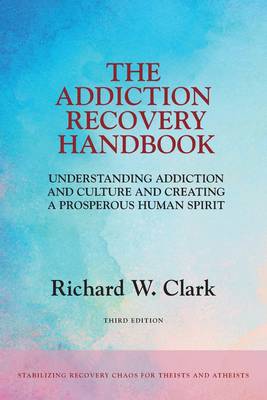
The Addiction Recovery Handbook
Understanding Addiction and Culture and Creating a Prosperous Human Spirit
Richard W Clark
Paperback | Engels
€ 40,45
+ 80 punten
Omschrijving
What Richard Clark presents in The Addiction Recovery Handbook: Understanding Addiction and Culture is long overdue. Since 1939, Bill Wilson's important and influential books, Alcoholics Anonymous and AA's Twelve Steps and Twelve Traditions, have helped millions of people struggling with addiction to recover. In more than 80 years since then, a lot has changed: the definition of addiction, its demographics, social attitudes to addiction, politics, religious influence, treatment modalities, and the epidemiology of the illness. These have taken tolls on our modern network of relationships and treatment that culture and community now depend upon.
The Addiction Recovery Handbook examines the changing historical views of addiction, outlines how this culture developed its contemporary perceptions and values, and how society contributes to this growing problem. Richard Clark proposes AA's traditional religious model of God's help-and-forgiveness can no longer address the needs of a diverse and largely irreligious society where atheism is becoming mainstream. His updated analysis of the traditional 'AA' approach proposes that self-understanding and awareness-through knowledge and education, psychology, and compassion, be the significant components of any recovery framework.
This will guide both caregivers and addicts to develop expertise regarding more successful treatment and recovery protocols. This would be in a supportive environment of self-knowledge and mutual respect, whether theist or atheist. All concerned will acquire the ability to live a spiritual life, which is clearly defined.
The Addiction Recovery Handbook is an interesting and readable book and is intended for everyone: addicts, medical professionals, counsellors, therapists, clients, sponsors, social workers, family members, partners, friends, employers-every stakeholder in a healthy, non-judgmental society that cares about the wellbeing of all its members.
The Addiction Recovery Handbook examines the changing historical views of addiction, outlines how this culture developed its contemporary perceptions and values, and how society contributes to this growing problem. Richard Clark proposes AA's traditional religious model of God's help-and-forgiveness can no longer address the needs of a diverse and largely irreligious society where atheism is becoming mainstream. His updated analysis of the traditional 'AA' approach proposes that self-understanding and awareness-through knowledge and education, psychology, and compassion, be the significant components of any recovery framework.
This will guide both caregivers and addicts to develop expertise regarding more successful treatment and recovery protocols. This would be in a supportive environment of self-knowledge and mutual respect, whether theist or atheist. All concerned will acquire the ability to live a spiritual life, which is clearly defined.
The Addiction Recovery Handbook is an interesting and readable book and is intended for everyone: addicts, medical professionals, counsellors, therapists, clients, sponsors, social workers, family members, partners, friends, employers-every stakeholder in a healthy, non-judgmental society that cares about the wellbeing of all its members.
Specificaties
Betrokkenen
- Auteur(s):
- Uitgeverij:
Inhoud
- Aantal bladzijden:
- 402
- Taal:
- Engels
Eigenschappen
- Productcode (EAN):
- 9781525568275
- Verschijningsdatum:
- 28/09/2020
- Uitvoering:
- Paperback
- Formaat:
- Trade paperback (VS)
- Afmetingen:
- 152 mm x 229 mm
- Gewicht:
- 585 g


Alleen bij Standaard Boekhandel
+ 80 punten op je klantenkaart van Standaard Boekhandel
Cadeau

AANGERADEN


Beoordelingen
We publiceren alleen reviews die voldoen aan de voorwaarden voor reviews. Bekijk onze voorwaarden voor reviews.