


- Afhalen na 1 uur in een winkel met voorraad
- Gratis thuislevering in België vanaf € 30
- Ruim aanbod met 7 miljoen producten
- Afhalen na 1 uur in een winkel met voorraad
- Gratis thuislevering in België vanaf € 30
- Ruim aanbod met 7 miljoen producten





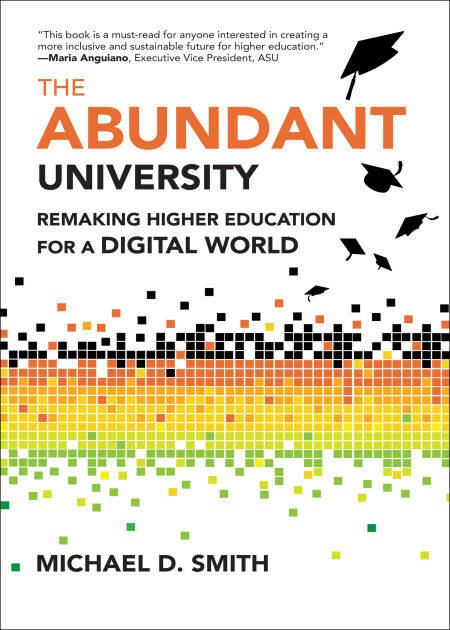
The Abundant University E-BOOK
Remaking Higher Education for a Digital World
Michael D. Smith
E-book | Engels
€ 29,56
+ 29 punten
Uitvoering
Omschrijving
Why our current system of higher education is financially and morally unsustainable and how to address the crisis with the creative implementation of digital technologies.
For too long, our system of higher education has been defined by scarcity: scarcity in enrollment, scarcity in instruction, and scarcity in credentials. In addition to failing students professionally, this system has exacerbated social injustice and socioeconomic stratification across the globe. In The Abundant University, Michael D. Smith argues that the only way to create a financially and morally sustainable higher education system is by embracing digital technologies for enrolling, instructing, and credentialing students—the same technologies that we have seen create abundance in access to resources in industry after industry.
The Abundant University explains how we got our current system, why it’s such an expensive, inefficient mess, and how a system based on exclusivity cannot foster inclusivity. Smith challenges the resistance to digital technologies that we have already seen among numerous institutions, citing the examples of faculty resistance toward digital learning platforms. While acknowledging the understandable self-preservation instinct of our current system of residential education, Smith makes a case for how technology can engender greater educational opportunity and create changes that will benefit students, employers, and society as a whole.
For too long, our system of higher education has been defined by scarcity: scarcity in enrollment, scarcity in instruction, and scarcity in credentials. In addition to failing students professionally, this system has exacerbated social injustice and socioeconomic stratification across the globe. In The Abundant University, Michael D. Smith argues that the only way to create a financially and morally sustainable higher education system is by embracing digital technologies for enrolling, instructing, and credentialing students—the same technologies that we have seen create abundance in access to resources in industry after industry.
The Abundant University explains how we got our current system, why it’s such an expensive, inefficient mess, and how a system based on exclusivity cannot foster inclusivity. Smith challenges the resistance to digital technologies that we have already seen among numerous institutions, citing the examples of faculty resistance toward digital learning platforms. While acknowledging the understandable self-preservation instinct of our current system of residential education, Smith makes a case for how technology can engender greater educational opportunity and create changes that will benefit students, employers, and society as a whole.
Specificaties
Betrokkenen
- Auteur(s):
- Uitgeverij:
Inhoud
- Aantal bladzijden:
- 296
- Taal:
- Engels
Eigenschappen
- Productcode (EAN):
- 9780262376358
- Verschijningsdatum:
- 18/09/2023
- Uitvoering:
- E-book
- Beveiligd met:
- Adobe DRM
- Formaat:
- ePub


Alleen bij Standaard Boekhandel
+ 29 punten op je klantenkaart van Standaard Boekhandel
Cadeau

AANGERADEN


Beoordelingen
We publiceren alleen reviews die voldoen aan de voorwaarden voor reviews. Bekijk onze voorwaarden voor reviews.