


- Afhalen na 1 uur in een winkel met voorraad
- Gratis thuislevering in België vanaf € 30
- Ruim aanbod met 7 miljoen producten
- Afhalen na 1 uur in een winkel met voorraad
- Gratis thuislevering in België vanaf € 30
- Ruim aanbod met 7 miljoen producten





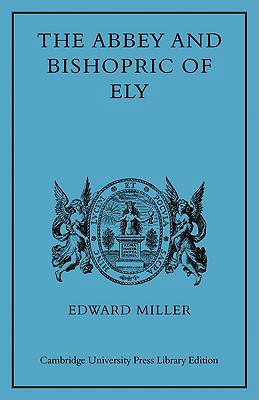
The Abbey and Bishopric of Ely
Edward Miller
€ 73,95
+ 147 punten
Omschrijving
A study of the formation of a large estate by Ely Abbey during the tenth and eleventh centuries and of the various social groups on that estate after the foundation of the bishopric in 1109 and down to the mid-fourteenth century. A central theme is the way in which this estate reflected the great movement of economic expansion during the twelfth and thirteenth centuries: the agricultural operations of the bishops themselves, the fortunes of their peasant tenants and the relationships between the bishops as landlords and their tenants. In this connexion the problems of estate management are also discussed and the formation and character of a managerial class. The bishops, however, were more than merely landlords: they were also feudal lords and possessed extensive local government powers. The book, therefore, also deals with their feudal as well as their agricultural tenants and with the exercise by the bishops of 'public' powers. In this sense it tries to give a complete picture of the secular influence of the bishops, which was one of the dominating influences in the society of Eastern England.
Specificaties
Betrokkenen
- Auteur(s):
- Uitgeverij:
Inhoud
- Aantal bladzijden:
- 332
- Taal:
- Engels
- Reeks:
- Reeksnummer:
- nr. 1
Eigenschappen
- Productcode (EAN):
- 9780521086509
- Verschijningsdatum:
- 11/12/2008
- Uitvoering:
- Paperback
- Formaat:
- Trade paperback (VS)
- Afmetingen:
- 140 mm x 216 mm
- Gewicht:
- 421 g


Alleen bij Standaard Boekhandel
+ 147 punten op je klantenkaart van Standaard Boekhandel
Cadeau

AANGERADEN


Beoordelingen
We publiceren alleen reviews die voldoen aan de voorwaarden voor reviews. Bekijk onze voorwaarden voor reviews.