


- Afhalen na 1 uur in een winkel met voorraad
- Gratis thuislevering in België vanaf € 30
- Ruim aanbod met 7 miljoen producten
- Afhalen na 1 uur in een winkel met voorraad
- Gratis thuislevering in België vanaf € 30
- Ruim aanbod met 7 miljoen producten





€ 38,45
+ 76 punten
Omschrijving
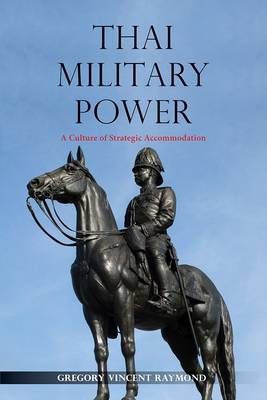
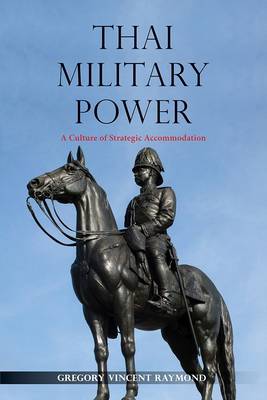
Being at the centre of the vital Asia-Pacific region, Thailand is important. But, despite its large population and powerful military forces performing significant roles in state and society, Thailand has little military power. Why is this? Using strategic culture as an analytical framework, this book portrays the Thai state as an accommodative actor. When Western empires dominated in Asia, Thailand 'bent in the wind' to preserve its independence by a limited trading of territory and sovereignty. This policy continues today in different forms. A key feature is that military organizational culture reinforces a state ideology of royalist nationalism, in turn reinforcing the national strategic culture. Significant here is internal political acceptance not just of military domination in civil-military relations but also of the Thai military's limitations in state-on-state combat. The author finds such 'underbalancing' - not responding to threat, or responding inadequately - elsewhere in Southeast Asia, too.
Specificaties
Betrokkenen
- Auteur(s):
- Uitgeverij:
Inhoud
- Aantal bladzijden:
- 304
- Taal:
- Engels
- Reeks:
Eigenschappen
- Productcode (EAN):
- 9788776942403
- Verschijningsdatum:
- 31/05/2018
- Uitvoering:
- Paperback
- Formaat:
- Trade paperback (VS)
- Afmetingen:
- 152 mm x 226 mm
- Gewicht:
- 408 g


Alleen bij Standaard Boekhandel
+ 76 punten op je klantenkaart van Standaard Boekhandel
Cadeau

AANGERADEN


Beoordelingen
We publiceren alleen reviews die voldoen aan de voorwaarden voor reviews. Bekijk onze voorwaarden voor reviews.