


- Afhalen na 1 uur in een winkel met voorraad
- Gratis thuislevering in België vanaf € 30
- Ruim aanbod met 7 miljoen producten
- Afhalen na 1 uur in een winkel met voorraad
- Gratis thuislevering in België vanaf € 30
- Ruim aanbod met 7 miljoen producten





€ 24,45
+ 48 punten
Omschrijving
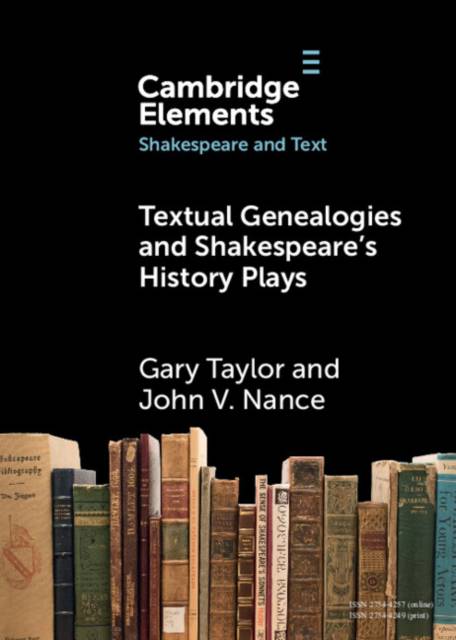
This Element reconsiders the historical, theoretical, racial, ableist, and editorial problem of genealogy by analyzing to-be-spoken genealogies in two plays in the 1623 Shakespeare First Folio: the 'Salic Law' speech in Henry V and the 'seven sons' scene in Henry VI, Part Two. Both passages also exist in a significantly variant version in The Chronicle history of Henry the fift (1600) and The First Part of the Contention (1594). The differences between the two versions of the biological/bloodline genealogy have been central to the long-dominant theory of 'bad quartos'. That theory assumes that early modern chroniclers and playwrights shared the values of modern archival historians: they assume that Shakespeare prioritized accuracy over acting. The authors offer an alternative reading of genealogies written to be performed onstage as 'documentary effects', adapted for changing audiences in a new multimedia entertainment industry. This title is also available as Open Access on Cambridge Core.
Specificaties
Betrokkenen
- Auteur(s):
- Uitgeverij:
Inhoud
- Aantal bladzijden:
- 75
- Taal:
- Engels
- Reeks:
Eigenschappen
- Productcode (EAN):
- 9781009615686
- Verschijningsdatum:
- 31/05/2026
- Uitvoering:
- Paperback
- Formaat:
- Trade paperback (VS)
- Gewicht:
- 25 g


Alleen bij Standaard Boekhandel
+ 48 punten op je klantenkaart van Standaard Boekhandel
Cadeau

AANGERADEN


Beoordelingen
We publiceren alleen reviews die voldoen aan de voorwaarden voor reviews. Bekijk onze voorwaarden voor reviews.