


- Afhalen na 1 uur in een winkel met voorraad
- Gratis thuislevering in België vanaf € 30
- Ruim aanbod met 7 miljoen producten
- Afhalen na 1 uur in een winkel met voorraad
- Gratis thuislevering in België vanaf € 30
- Ruim aanbod met 7 miljoen producten





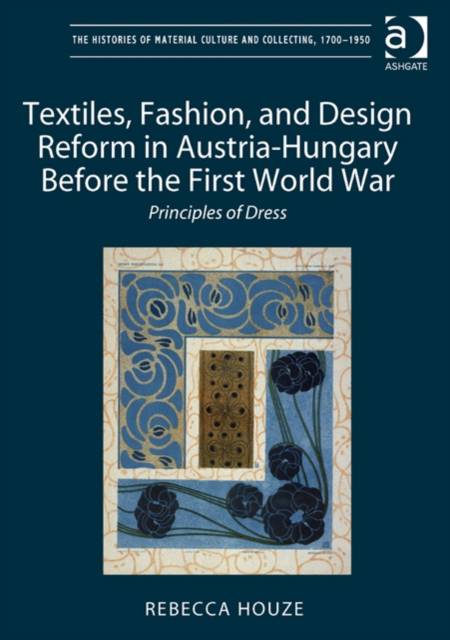
Textiles, Fashion, and Design Reform in Austria-Hungary Before the First World War
Principles of Dress
Rebecca Houze
€ 343,45
+ 686 punten
Omschrijving
Filling a critical gap in Vienna 1900 studies, this book offers a new reading of fin-de-siècle culture in the Austro-Hungarian Monarchy by looking at the preoccupation with embroidery, fabrics, clothing, and fashion. The author resurrects lesser known critics, practitioners, and curators, while also discussing the textile interests of better known figures. Spanning the 50-year life of the Dual Monarchy, this study uncovers new territory in art history, insists on the crucial place of women within modernism, and broadens the cultural history of Habsburg Central Europe.
Specificaties
Betrokkenen
- Auteur(s):
- Uitgeverij:
Inhoud
- Aantal bladzijden:
- 470
- Taal:
- Engels
- Reeks:
Eigenschappen
- Productcode (EAN):
- 9781409436683
- Verschijningsdatum:
- 28/01/2015
- Uitvoering:
- Hardcover
- Formaat:
- Genaaid
- Afmetingen:
- 156 mm x 234 mm
- Gewicht:
- 830 g


Alleen bij Standaard Boekhandel
+ 686 punten op je klantenkaart van Standaard Boekhandel
Cadeau

AANGERADEN


Beoordelingen
We publiceren alleen reviews die voldoen aan de voorwaarden voor reviews. Bekijk onze voorwaarden voor reviews.