


- Afhalen na 1 uur in een winkel met voorraad
- Gratis thuislevering in België vanaf € 30
- Ruim aanbod met 7 miljoen producten
- Afhalen na 1 uur in een winkel met voorraad
- Gratis thuislevering in België vanaf € 30
- Ruim aanbod met 7 miljoen producten





€ 17,88
+ 17 punten
Omschrijving
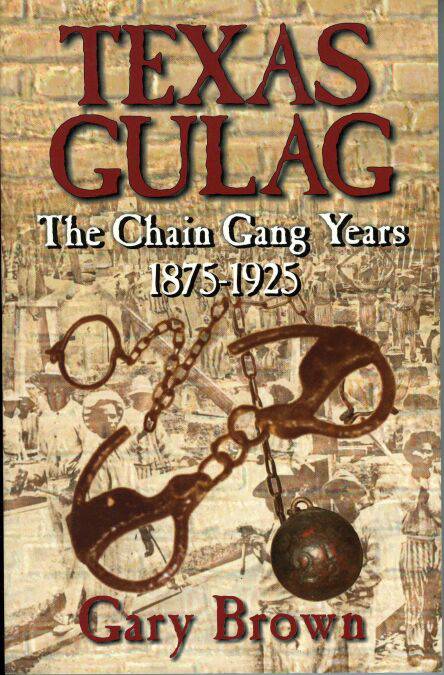
For fifty years prison inmates in Texas were leased out to railroads, coal mines, farm plantations, and sawmill crews with terrible incidences of brutality, cruelty, injury, and death to the prisoners.
They were forced to produce daily work quotas of seven tons of coal, three hundred pounds of cotton, or one and one-half cords of wood. They were fed spoiled hog meat and slept on mattresses filled with bugs and filthy from sweat, blood, and dirt. They were punished by brutal whippings with an instrument known as the "bat" and by various other methods. Self-mutilation by cutting off fingers, hands, and feet and even self-blinding were commonplace to avoid working in these lease camps.
It was a period in which the state prison system was shrouded in secrecy. Former prisoners had only one option available to try to inform the public about the brutality and corruption. They could write their personal memoirs. And an amazing number of them did—dating back to the 1870s. Herein are some of their stories.
They were forced to produce daily work quotas of seven tons of coal, three hundred pounds of cotton, or one and one-half cords of wood. They were fed spoiled hog meat and slept on mattresses filled with bugs and filthy from sweat, blood, and dirt. They were punished by brutal whippings with an instrument known as the "bat" and by various other methods. Self-mutilation by cutting off fingers, hands, and feet and even self-blinding were commonplace to avoid working in these lease camps.
It was a period in which the state prison system was shrouded in secrecy. Former prisoners had only one option available to try to inform the public about the brutality and corruption. They could write their personal memoirs. And an amazing number of them did—dating back to the 1870s. Herein are some of their stories.
Specificaties
Betrokkenen
- Auteur(s):
- Uitgeverij:
Inhoud
- Aantal bladzijden:
- 284
- Taal:
- Engels
Eigenschappen
- Productcode (EAN):
- 9781461625711
- Verschijningsdatum:
- 21/02/2002
- Uitvoering:
- E-book
- Beveiligd met:
- Adobe DRM
- Formaat:
- ePub



Alleen bij Standaard Boekhandel
+ 17 punten op je klantenkaart van Standaard Boekhandel
Cadeau

AANGERADEN


Beoordelingen
We publiceren alleen reviews die voldoen aan de voorwaarden voor reviews. Bekijk onze voorwaarden voor reviews.