


- Afhalen na 1 uur in een winkel met voorraad
- Gratis thuislevering in België vanaf € 30
- Ruim aanbod met 7 miljoen producten
- Afhalen na 1 uur in een winkel met voorraad
- Gratis thuislevering in België vanaf € 30
- Ruim aanbod met 7 miljoen producten





€ 79,95
+ 159 punten
Omschrijving
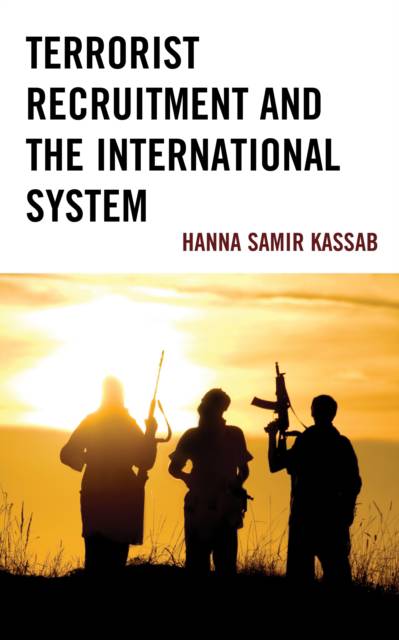
Recruitment is key to a terrorist network's survival strategy. Steady enrollment is needed, not just to fight against perceived injustice, but to keep the network's grand strategy alive. When a weak state fails to protect its territory and implement the rule of law because of corruption or incapacity, it results in the creation of power vacuums. Terrorist networks thrive within power vacuums and opportunistically fill the space where a weak state could not maintain control. This destabilizes the international system and forces great powers to intervene. Historically, interventions are ineffective in combatting terrorism and have actually increased recruitment through regional political destabilization. Further, interventions have drained the capabilities of states, allowing for shifts in the distribution of power, thus changing the international order. Understanding recruitment mechanisms is key to developing strategies to combat recruitment in the short and long term.
Specificaties
Betrokkenen
- Auteur(s):
- Uitgeverij:
Inhoud
- Aantal bladzijden:
- 174
- Taal:
- Engels
Eigenschappen
- Productcode (EAN):
- 9781793615169
- Verschijningsdatum:
- 23/06/2021
- Uitvoering:
- Paperback
- Formaat:
- Trade paperback (VS)
- Afmetingen:
- 152 mm x 229 mm
- Gewicht:
- 263 g


Alleen bij Standaard Boekhandel
+ 159 punten op je klantenkaart van Standaard Boekhandel
Cadeau

AANGERADEN


Beoordelingen
We publiceren alleen reviews die voldoen aan de voorwaarden voor reviews. Bekijk onze voorwaarden voor reviews.