


- Afhalen na 1 uur in een winkel met voorraad
- Gratis thuislevering in België vanaf € 30
- Ruim aanbod met 7 miljoen producten
- Afhalen na 1 uur in een winkel met voorraad
- Gratis thuislevering in België vanaf € 30
- Ruim aanbod met 7 miljoen producten





€ 129,95
+ 259 punten
Omschrijving
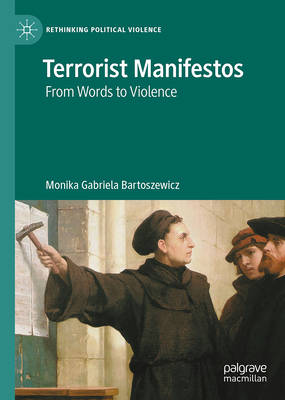
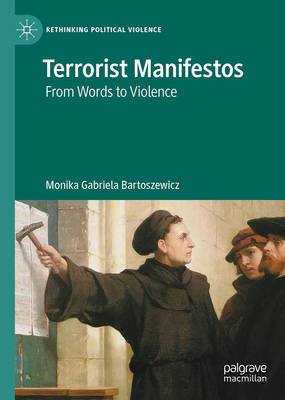
This book examines terrorist manifestos as integral components of political violence. Rather than treating these texts as propaganda or operational signalling, it approaches them as structured acts of meaning-making where personal grievance, ideological conviction, and societal rupture converge. Through a series of case studies, including Anders Behring Breivik, Dylann Roof, Brenton Tarrant, John Earnest, Patrick Crusius, and Juraj Krajčík, the book traces how manifestos articulate, justify, and ultimately enable acts of violence. It shows that these texts do not merely explain violence after the fact, but participate in its construction. Moving beyond dismissal or condemnation, the analysis situates manifestos within broader cultural and political dynamics, revealing how they draw on existing narratives while reshaping them into calls for action. In doing so, the book challenges prevailing approaches that treat such writings solely as threat indicators or extremist artefacts, and instead argues for their careful and critical reading as part of understanding contemporary political violence.
Written in a clear and analytically grounded style, this monograph offers a distinctive framework for examining the relationship between language, ideology, and violence. It will be of interest to scholars of terrorism, political violence, and security studies, as well as readers concerned with the role of ideas in shaping acts of destruction.
Specificaties
Betrokkenen
- Auteur(s):
- Uitgeverij:
Inhoud
- Aantal bladzijden:
- 289
- Taal:
- Engels
- Reeks:
Eigenschappen
- Productcode (EAN):
- 9783032255709
- Verschijningsdatum:
- 14/07/2026
- Uitvoering:
- Hardcover
- Formaat:
- Genaaid
- Afmetingen:
- 148 mm x 210 mm


Alleen bij Standaard Boekhandel
+ 259 punten op je klantenkaart van Standaard Boekhandel
Cadeau

AANGERADEN


Beoordelingen
We publiceren alleen reviews die voldoen aan de voorwaarden voor reviews. Bekijk onze voorwaarden voor reviews.