


- Afhalen na 1 uur in een winkel met voorraad
- Gratis thuislevering in België vanaf € 30
- Ruim aanbod met 7 miljoen producten
- Afhalen na 1 uur in een winkel met voorraad
- Gratis thuislevering in België vanaf € 30
- Ruim aanbod met 7 miljoen producten





€ 140,95
+ 281 punten
Omschrijving
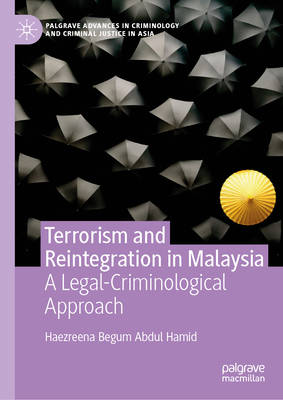
This book offers the first comprehensive legal-criminological study of terrorism and reintegration in Malaysia, positioning the country within wider Southeast Asian and global debates. Despite its strategic role in regional counter-terrorism and rehabilitation efforts, Malaysia remains understudied compared to Indonesia and the Philippines. Moving beyond ideological or psychological explanations, the book situates terrorism within lived experience. Drawing on original interviews with ISIS-related returnees from Syria and Afghanistan, former Guantánamo Bay detainees, and individuals prosecuted under Malaysian counter-terrorism laws, it examines how radicalisation, detention, and reintegration unfold in practice. Bridging theory and policy, the analysis explores how law, criminology, and human rights shape both state responses and individual trajectories, and evaluates key counter-terrorism frameworks including SOSMA, POTA, and the Penal Code, against global standards of due process, proportionality, and accountability. Centred on detainee and returnee experiences, the book explores incarceration, stigma, trauma, and reintegration challenges, foregrounding voices often absent from official narratives, including those from non-Arab-speaking communities. It argues that an overreliance on securitisation and theology perpetuates stigma and undermines long-term prevention, and calls for a more holistic, rights-based reintegration framework.
Specificaties
Betrokkenen
- Auteur(s):
- Uitgeverij:
Inhoud
- Aantal bladzijden:
- 269
- Taal:
- Engels
- Reeks:
Eigenschappen
- Productcode (EAN):
- 9783032200099
- Verschijningsdatum:
- 2/05/2026
- Uitvoering:
- Hardcover
- Formaat:
- Genaaid
- Afmetingen:
- 148 mm x 210 mm
- Gewicht:
- 475 g


Alleen bij Standaard Boekhandel
+ 281 punten op je klantenkaart van Standaard Boekhandel
Cadeau

AANGERADEN


Beoordelingen
We publiceren alleen reviews die voldoen aan de voorwaarden voor reviews. Bekijk onze voorwaarden voor reviews.