


- Afhalen na 1 uur in een winkel met voorraad
- Gratis thuislevering in België vanaf € 30
- Ruim aanbod met 7 miljoen producten
- Afhalen na 1 uur in een winkel met voorraad
- Gratis thuislevering in België vanaf € 30
- Ruim aanbod met 7 miljoen producten




€ 46,45
+ 92 punten
Omschrijving
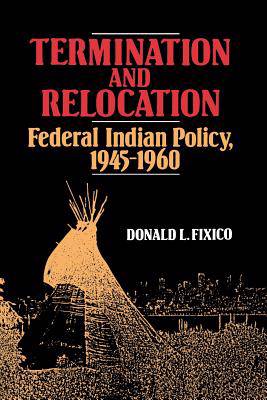
Between the end of the Roosevelt era and the beginning of the Kennedy administration, less traditional Native Americans, congressional leaders, and government administrators developed a policy that they hoped would integrate the Indian population with mainstream America. To this end, they enacted laws to terminate the government's trusteeship of Indian lands and relocate Indians to the nation's cities. They believed that once Indians left the reservation, they would have opportunities for education and employment that would enable them to participate more fully in the larger society. These policies were most fully applied to the Menominee and Klamath tribes. But the sponsors of this legislation underestimated the importance of the fundamental differences between Indian and Anglo culture that would make it nearly impossible for most Indians to make the transition. By the early 1960s it had become tragically apparent that the policies of termination and relocation were creating a new subclass of urban poor: Indians who were ill equipped to survive in the competitive, materialistic world off the reservation. In this major study Fixico looks at the history and effects of these policies from the Indian perspective. He also situates termination within the larger issue of civil rights during the Truman and Eisenhower administrations.
Specificaties
Betrokkenen
- Auteur(s):
- Uitgeverij:
Inhoud
- Aantal bladzijden:
- 286
- Taal:
- Engels
Eigenschappen
- Productcode (EAN):
- 9780826311917
- Verschijningsdatum:
- 1/03/1990
- Uitvoering:
- Paperback
- Formaat:
- Trade paperback (VS)
- Afmetingen:
- 150 mm x 226 mm
- Gewicht:
- 430 g


Alleen bij Standaard Boekhandel
+ 92 punten op je klantenkaart van Standaard Boekhandel
AANGERADEN


Beoordelingen
We publiceren alleen reviews die voldoen aan de voorwaarden voor reviews. Bekijk onze voorwaarden voor reviews.