


- Afhalen na 1 uur in een winkel met voorraad
- Gratis thuislevering in België vanaf € 30
- Ruim aanbod met 7 miljoen producten
- Afhalen na 1 uur in een winkel met voorraad
- Gratis thuislevering in België vanaf € 30
- Ruim aanbod met 7 miljoen producten





€ 48,95
+ 97 punten
Uitvoering
Omschrijving
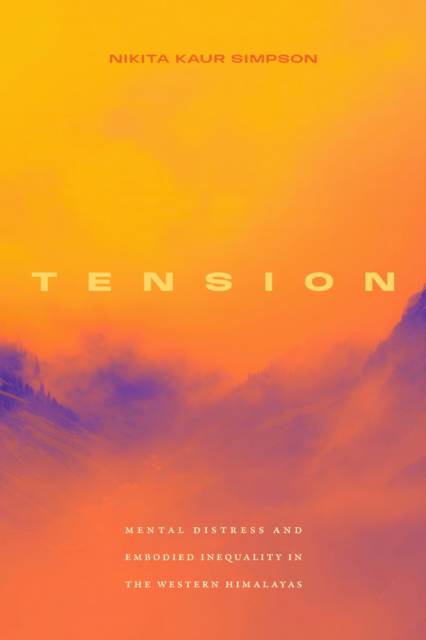
In Tension, Nikita Kaur Simpson examines the effects of rapid development in the Himalayas on the minds and bodies of the Gaddi people who inhabit them through attention to the multifaceted state of distress they call "tension." This "tension" takes many forms: Kamzori, or weakness, in the bodies of elderly women; "Future tension" accumulating in the minds of young girls; or Opara, or black magic, afflicting whole families. Through her long-term ethnographic fieldwork, Simpson follows the ways in which Gaddi people tie this distress to broader structural changes, such as land dispossession and caste, class, tribal and gender inequality, which are growing alongside modernity and prosperity. In doing so, she shows how "tension" acts as an everyday diagnostic of the problems of cultural, economic and environmental change as they shape intimate life. At once a lived historical account, a cartography of care relations, and a multi-sensory exploration of the intimate experiences of atmosphere and body, Tension puts forth a novel theory of distress, that inequality is often determined by who is made to feel, hold, and absorb distress.
Specificaties
Betrokkenen
- Auteur(s):
- Uitgeverij:
Inhoud
- Aantal bladzijden:
- 238
- Taal:
- Engels
- Reeks:
Eigenschappen
- Productcode (EAN):
- 9781478033295
- Verschijningsdatum:
- 17/03/2026
- Uitvoering:
- Paperback
- Formaat:
- Trade paperback (VS)
- Afmetingen:
- 152 mm x 229 mm
- Gewicht:
- 326 g


Alleen bij Standaard Boekhandel
+ 97 punten op je klantenkaart van Standaard Boekhandel
Cadeau

AANGERADEN


Beoordelingen
We publiceren alleen reviews die voldoen aan de voorwaarden voor reviews. Bekijk onze voorwaarden voor reviews.