


- Afhalen na 1 uur in een winkel met voorraad
- Gratis thuislevering in België vanaf € 30
- Ruim aanbod met 7 miljoen producten
- Afhalen na 1 uur in een winkel met voorraad
- Gratis thuislevering in België vanaf € 30
- Ruim aanbod met 7 miljoen producten





€ 27,95
+ 55 punten
Omschrijving
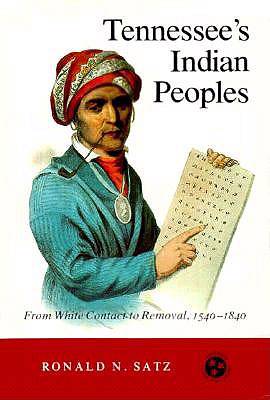
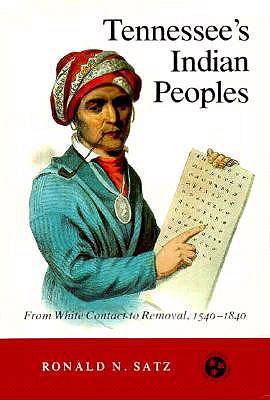
Hernando De Soto's invasion of Native lands in 1540 marked the onslaught of great change in the lives of Tennessee's Native Americans. Although these first Tennesseans boasted a cultural heritage of thousands of years, only three centuries of contact with the white man elapsed before their population was decimated and the remnants driven out. The Indians were a settled people when de Soto visited, not the savage or exotic woods creatures so often depicted. Tennessee's Indian Peoples, then, is a story of the ways the Cherokees, Chickasaws, Creeks, Shawnees, and other Indian peoples lived, reared families, farmed and hunted, worshipped, played, fought, and governed themselves. He describes also the eventful destruction of their societies--destroyed not only by external pressures for Indian lands, but also by internal change wrought by increasing dependence on the white man's trade goods.
Specificaties
Betrokkenen
- Auteur(s):
- Uitgeverij:
Inhoud
- Aantal bladzijden:
- 119
- Taal:
- Engels
- Reeks:
Eigenschappen
- Productcode (EAN):
- 9780870492310
- Verschijningsdatum:
- 15/12/1979
- Uitvoering:
- Paperback
- Formaat:
- Trade paperback (VS)
- Afmetingen:
- 152 mm x 229 mm
- Gewicht:
- 204 g


Alleen bij Standaard Boekhandel
+ 55 punten op je klantenkaart van Standaard Boekhandel
Cadeau

AANGERADEN


Beoordelingen
We publiceren alleen reviews die voldoen aan de voorwaarden voor reviews. Bekijk onze voorwaarden voor reviews.