


- Afhalen na 1 uur in een winkel met voorraad
- Gratis thuislevering in België vanaf € 30
- Ruim aanbod met 7 miljoen producten
- Afhalen na 1 uur in een winkel met voorraad
- Gratis thuislevering in België vanaf € 30
- Ruim aanbod met 7 miljoen producten





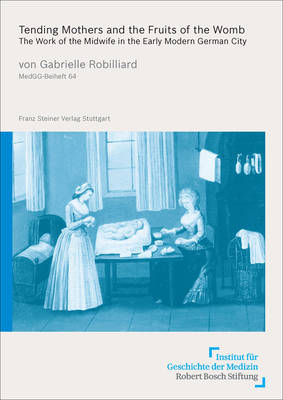
Tending Mothers and the Fruits of the Womb
The Work of the Midwife in the Early Modern German City
Gabrielle Robilliard
€ 100,45
+ 200 punten
Omschrijving
The early modern period saw a fundamental shift in the history of childbirth from midwifery as a traditional, largely female occupation to modern obstetrics. The seeds of this transformation were sown in the cities, where municipal governments and their medical officials began reworking the often centuries-old systems of municipal midwifery. In Leipzig they overhauled midwife education and in the 1730s appointed a municipal man-midwife. But why all the commotion about midwifery? How 'novel' were these developments really? And how did all these changes affect the everyday work of the city's midwives? Drawing on a vast array of administrative sources, Gabrielle Robilliard explores the world of Leipzig's midwives and early man-midwives from 1650 to 1810. Employing a prosopographical approach, she illuminates in minute detail the occupational culture and structure of both official and unofficial midwifery within the city-including social and economic milieus, client networking practices, and inter- and intraprofessional rivalries-and examines the nature of the encounter between traditional practice and new ways of organising urban midwifery provision.
Specificaties
Betrokkenen
- Auteur(s):
- Uitgeverij:
Inhoud
- Aantal bladzijden:
- 309
- Taal:
- Engels
- Reeks:
- Reeksnummer:
- nr. 64
Eigenschappen
- Productcode (EAN):
- 9783515116688
- Verschijningsdatum:
- 22/08/2017
- Uitvoering:
- Paperback
- Formaat:
- Trade paperback (VS)
- Afmetingen:
- 170 mm x 239 mm
- Gewicht:
- 793 g


Alleen bij Standaard Boekhandel
+ 200 punten op je klantenkaart van Standaard Boekhandel
Cadeau

AANGERADEN


Beoordelingen
We publiceren alleen reviews die voldoen aan de voorwaarden voor reviews. Bekijk onze voorwaarden voor reviews.