


- Afhalen na 1 uur in een winkel met voorraad
- Gratis thuislevering in België vanaf € 30
- Ruim aanbod met 7 miljoen producten
- Afhalen na 1 uur in een winkel met voorraad
- Gratis thuislevering in België vanaf € 30
- Ruim aanbod met 7 miljoen producten





€ 241,95
+ 483 punten
Omschrijving
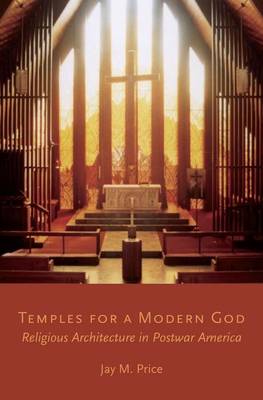
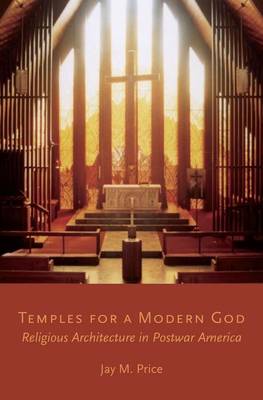
Temples for a Modern God is one of the first major studies of American religious architecture in the postwar period, and it reveals the diverse and complicated set of issues that emerged just as one of the nation's biggest building booms unfolded. Jay Price tells the story of how a movement consisting of denominational architectural bureaus, freelance consultants, architects, professional and religious organizations, religious building journals, professional conferences, artistic studios, and specialized businesses came to have a profound influence on the nature of sacred space. Debates over architectural style coincided with equally significant changes in worship practice. Meanwhile, suburbanization and the baby boom required a new type of worship facility, one that had to attract members and serve a social role as much as honor the Divine. Price uses religious architecture to explore how Mainline Protestantism, Catholicism, Judaism, and other traditions moved beyond their ethnic, regional, and cultural enclaves to create a built environment that was simultaneously intertwined with technology and social change, yet rooted in a fluid and shifting sense of tradition. Price argues that these structures, as often mocked as loved, were physical embodiments of a significant, if underappreciated, era in American religious history.


Alleen bij Standaard Boekhandel
+ 483 punten op je klantenkaart van Standaard Boekhandel
Cadeau

AANGERADEN


Beoordelingen
We publiceren alleen reviews die voldoen aan de voorwaarden voor reviews. Bekijk onze voorwaarden voor reviews.