


- Afhalen na 1 uur in een winkel met voorraad
- Gratis thuislevering in België vanaf € 30
- Ruim aanbod met 7 miljoen producten
- Afhalen na 1 uur in een winkel met voorraad
- Gratis thuislevering in België vanaf € 30
- Ruim aanbod met 7 miljoen producten





€ 40,95
+ 81 punten
Omschrijving
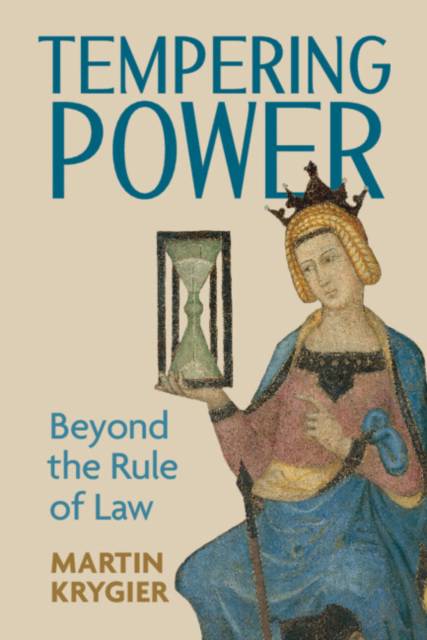
What is the rule of law for? What does that take? Why does it matter? There is little clarity and less agreement about any of these questions. That is partly because they are hard, but it is also because we generally do not think especially well about them. Yet they are rarely more important than today, and there are better ways to think. In this seminal book, Martin Krygier combines an account of conventional assumptions, a fundamental critique of them, and an alternative way of thinking about the purpose, the value, and the significance of the rule of law, in light of the goal it should serve: tempering power. In this time of widespread intemperate abuse of power throughout the world, these concerns are not merely analytical, academic, or even legal. They are social, political, and moral, and everyone's business. And the stakes are high.
Specificaties
Betrokkenen
- Auteur(s):
- Uitgeverij:
Inhoud
- Aantal bladzijden:
- 245
- Taal:
- Engels
Eigenschappen
- Productcode (EAN):
- 9781009775304
- Verschijningsdatum:
- 31/08/2026
- Uitvoering:
- Hardcover
- Formaat:
- Genaaid


Alleen bij Standaard Boekhandel
+ 81 punten op je klantenkaart van Standaard Boekhandel
Cadeau

AANGERADEN


Beoordelingen
We publiceren alleen reviews die voldoen aan de voorwaarden voor reviews. Bekijk onze voorwaarden voor reviews.