


- Afhalen na 1 uur in een winkel met voorraad
- Gratis thuislevering in België vanaf € 30
- Ruim aanbod met 7 miljoen producten
- Afhalen na 1 uur in een winkel met voorraad
- Gratis thuislevering in België vanaf € 30
- Ruim aanbod met 7 miljoen producten





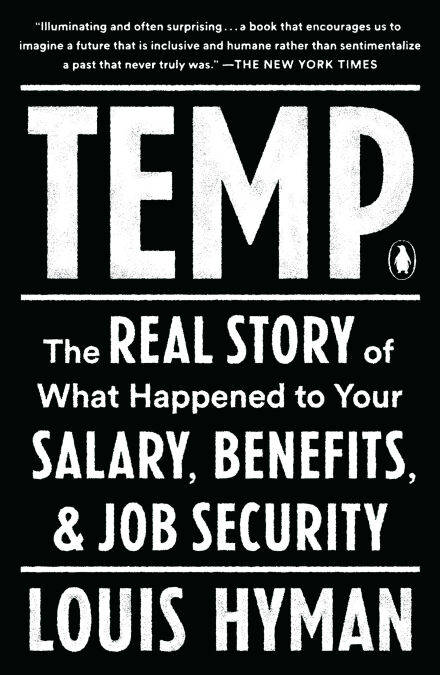
Temp E-BOOK
The Real Story of What Happened to Your Salary, Benefits, and Job Security
Louis Hyman
E-book | Engels
€ 5,77
+ 5 punten
Uitvoering
Omschrijving
Winner of the William G. Bowen Prize
Named a "Triumph" of 2018 by New York Times Book Critics
Shortlisted for the 800-CEO-READ Business Book Award
The untold history of the surprising origins of the "gig economy"--how deliberate decisions made by consultants and CEOs in the 50s and 60s upended the stability of the workplace and the lives of millions of working men and women in postwar America.
Over the last fifty years, job security has cratered as the institutions that insulated us from volatility have been swept aside by a fervent belief in the market. Now every working person in America today asks the same question: how secure is my job? In Temp, Louis Hyman explains how we got to this precarious position and traces the real origins of the gig economy: it was created not by accident, but by choice through a series of deliberate decisions by consultants and CEOs--long before the digital revolution.
Uber is not the cause of insecurity and inequality in our country, and neither is the rest of the gig economy. The answer to our growing problems goes deeper than apps, further back than outsourcing and downsizing, and contests the most essential assumptions we have about how our businesses should work. As we make choices about the future, we need to understand our past.
Named a "Triumph" of 2018 by New York Times Book Critics
Shortlisted for the 800-CEO-READ Business Book Award
The untold history of the surprising origins of the "gig economy"--how deliberate decisions made by consultants and CEOs in the 50s and 60s upended the stability of the workplace and the lives of millions of working men and women in postwar America.
Over the last fifty years, job security has cratered as the institutions that insulated us from volatility have been swept aside by a fervent belief in the market. Now every working person in America today asks the same question: how secure is my job? In Temp, Louis Hyman explains how we got to this precarious position and traces the real origins of the gig economy: it was created not by accident, but by choice through a series of deliberate decisions by consultants and CEOs--long before the digital revolution.
Uber is not the cause of insecurity and inequality in our country, and neither is the rest of the gig economy. The answer to our growing problems goes deeper than apps, further back than outsourcing and downsizing, and contests the most essential assumptions we have about how our businesses should work. As we make choices about the future, we need to understand our past.
Specificaties
Betrokkenen
- Auteur(s):
- Uitgeverij:
Inhoud
- Aantal bladzijden:
- 400
- Taal:
- Engels
Eigenschappen
- Productcode (EAN):
- 9780735224094
- Verschijningsdatum:
- 20/08/2018
- Uitvoering:
- E-book
- Beveiligd met:
- Adobe DRM
- Formaat:
- ePub


Alleen bij Standaard Boekhandel
+ 5 punten op je klantenkaart van Standaard Boekhandel
Cadeau

AANGERADEN


Beoordelingen
We publiceren alleen reviews die voldoen aan de voorwaarden voor reviews. Bekijk onze voorwaarden voor reviews.