


- Afhalen na 1 uur in een winkel met voorraad
- Gratis thuislevering in België vanaf € 30
- Ruim aanbod met 7 miljoen producten
- Afhalen na 1 uur in een winkel met voorraad
- Gratis thuislevering in België vanaf € 30
- Ruim aanbod met 7 miljoen producten





Omschrijving
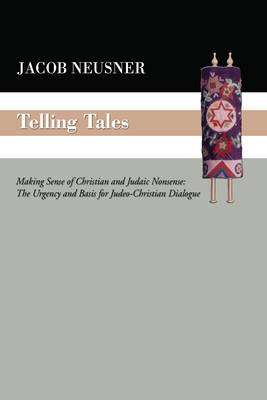
Jacob Neusner makes the astonishing claim that Judeo-Christian dialogue is nonexistent. . . . This book is substantive. It suggests what both parties [Christians and Jews] might do and say as first works and words when they undertake dialogue. If they are realistic, frank, aware of their own stories, they can further such dialogue. If they keep making up 'soft versions' of their own tradition, they will produce mush or hypocrisy (from the Foreword). Instead of having dialogue, Christians and Jews have been exchanging monologues--parallel lines that never meet, says Jacob Neusner. This is because neither Christians nor Jews have viewed each other according to each other's terms. Neusner proposes a new way of beginning dialogue by suggesting that Jews and Christians exchange stories. This, he says, will help Christians and Jews understand each other and ultimately provide a way of making sense of the other party's ""nonsense.""
Specificaties
Betrokkenen
- Auteur(s):
- Uitgeverij:
Inhoud
- Aantal bladzijden:
- 176
- Taal:
- Engels
Eigenschappen
- Productcode (EAN):
- 9781556354878
- Verschijningsdatum:
- 1/06/2007
- Uitvoering:
- Paperback
- Formaat:
- Trade paperback (VS)
- Afmetingen:
- 158 mm x 217 mm
- Gewicht:
- 226 g


Alleen bij Standaard Boekhandel
+ 69 punten op je klantenkaart van Standaard Boekhandel
Wedstrijd


Beoordelingen
We publiceren alleen reviews die voldoen aan de voorwaarden voor reviews. Bekijk onze voorwaarden voor reviews.