


- Afhalen na 1 uur in een winkel met voorraad
- Gratis thuislevering in België vanaf € 30
- Ruim aanbod met 7 miljoen producten
- Afhalen na 1 uur in een winkel met voorraad
- Gratis thuislevering in België vanaf € 30
- Ruim aanbod met 7 miljoen producten





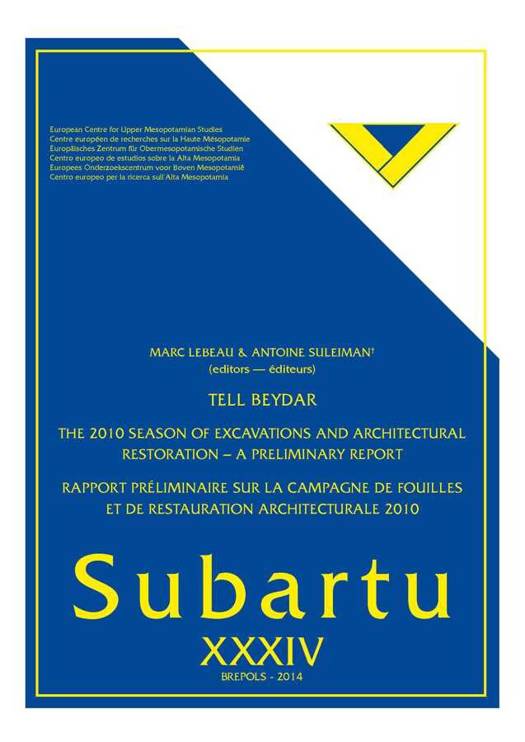
Tell Beydar. The 2010 Season of Excavations and Architectural Restoration – A Preliminary Report
Rapport préliminaire sur la campagne de fouilles et de restauration architecturale 2010
Marc Lebeau
€ 100,70
+ 201 punten
Omschrijving
Excavations by the joint Syrian-European Mission at Tell Beydar were carried out in 2010 at an accelerated pace despite the brevity of the season. The results were very satisfactory and confirmed the importance of the site, not only for the 3rd Millennium BC, but also for the Hellenistic period. The Hellenistic levels (c. 150-75 BC) at Tell Beydar were exposed in all the current excavation areas. In addition the recent excavations revealed that the three phases of occupation during that period correspond to various settlement patterns. With respect to the Jezirah IIIb period (2450-2340 BC), the plan of the Upper City has been largely exposed. The progressive extension of the excavation areas revealed the city plan at its peak, around 2400/2375 BC. The excavations were moved from the Acropolis to the Upper City, its Eastern Palace, its northwest district, its dwelling quarters, its large open public areas, its economic sectors and its workshops. Thus the 2010 campaign, like the former ones, should be considered of primary importance for the history of architecture and city planning.
Specificaties
Betrokkenen
- Auteur(s):
- Uitgeverij:
Inhoud
- Aantal bladzijden:
- 203
- Taal:
- Frans
- Reeks:
- Reeksnummer:
- nr. 34
Eigenschappen
- Productcode (EAN):
- 9782503549804
- Verschijningsdatum:
- 25/02/2014
- Uitvoering:
- Paperback
- Formaat:
- Trade paperback (VS)
- Afmetingen:
- 208 mm x 295 mm
- Gewicht:
- 780 g


Alleen bij Standaard Boekhandel
+ 201 punten op je klantenkaart van Standaard Boekhandel
Cadeau

AANGERADEN


Beoordelingen
We publiceren alleen reviews die voldoen aan de voorwaarden voor reviews. Bekijk onze voorwaarden voor reviews.