


- Afhalen na 1 uur in een winkel met voorraad
- Gratis thuislevering in België vanaf € 30
- Ruim aanbod met 7 miljoen producten
- Afhalen na 1 uur in een winkel met voorraad
- Gratis thuislevering in België vanaf € 30
- Ruim aanbod met 7 miljoen producten





€ 192,45
+ 384 punten
Omschrijving
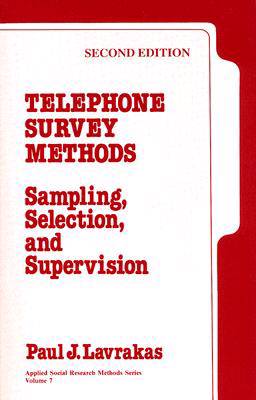
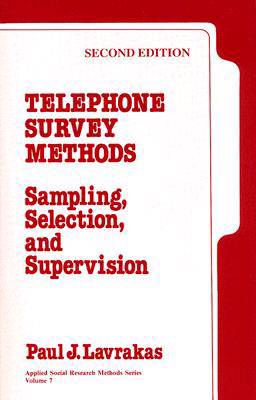
From generating phone numbers to structuring the work of interviewers and supervisors, this book covers it all. New to this edition is a focus on the total survey error concept, a comparison of CATI and PAPI procedures, mixed-mode surveys, and new telecommunication technologies. --Canadian Journal of Communication "Telephone Survey Methods is a useful and practical guide to conducting telephone surveys particularly for those who are seeking sampling and administrative guidelines." --Journal of Official Statistics What quality control methods can be employed most effectively to structure and monitor interviews and convert refusals? What telephone numbers should be used in random digit dialing? How can eligible respondents be chosen and their cooperation secured? Addressing these and other survey issues, this completely revised edition of Telephone Survey Methods offers researchers a guide to thinking about and executing telephone surveys. From generating phone numbers to structuring the work of interviewers and supervisers, this book covers it all. New to this edition is a focus on the total survey error concept, a comparison of CATI with PAPI procedures, mixed-mode surveys, and new telecommunication technologies. In addition, the book covers such topics as how to control the sampling pool, how to identify the appropriate respondent, and how to improve on-the-job training of interviewers.
Specificaties
Betrokkenen
- Auteur(s):
- Uitgeverij:
Inhoud
- Aantal bladzijden:
- 192
- Taal:
- Engels
- Reeks:
- Reeksnummer:
- nr. 7
Eigenschappen
- Productcode (EAN):
- 9780803953079
- Verschijningsdatum:
- 9/07/1993
- Uitvoering:
- Paperback
- Formaat:
- Trade paperback (VS)
- Afmetingen:
- 141 mm x 216 mm
- Gewicht:
- 272 g


Alleen bij Standaard Boekhandel
+ 384 punten op je klantenkaart van Standaard Boekhandel
Cadeau

AANGERADEN


Beoordelingen
We publiceren alleen reviews die voldoen aan de voorwaarden voor reviews. Bekijk onze voorwaarden voor reviews.