


- Afhalen na 1 uur in een winkel met voorraad
- Gratis thuislevering in België vanaf € 30
- Ruim aanbod met 7 miljoen producten
- Afhalen na 1 uur in een winkel met voorraad
- Gratis thuislevering in België vanaf € 30
- Ruim aanbod met 7 miljoen producten





€ 79,95
+ 159 punten
Uitvoering
Omschrijving
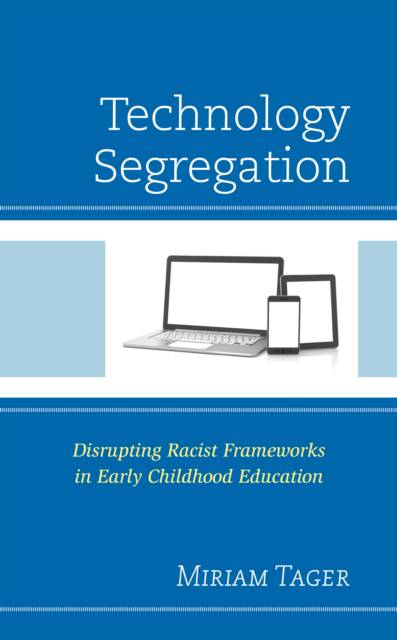
Technology segregation is an ongoing practice within early childhood programs in the United States. This research, which includes two qualitative studies in the Northeast, reveals that school segregation and technology segregation are one in the same. Utilizing critical race theory, as the theoretical framework, this research finds that young Black children are denied technological access directly affecting their learning trajectories. PTO fundraising and other monetary donations to public schools vary by district and neighborhood and are based on segregation. Therefore, structural racism flourishes within these early childhood programs as black students are excluded from another important content area and practice. This book defines the problem of technology segregation in terms of policy, racial hierarchies, funding, residential segregation, and the digital divide. It challenges the racist framework and reveals disruptions (strategies) to counter this deficit discourse based on white supremacy.
Specificaties
Betrokkenen
- Auteur(s):
- Uitgeverij:
Inhoud
- Aantal bladzijden:
- 158
- Taal:
- Engels
- Reeks:
Eigenschappen
- Productcode (EAN):
- 9781498584456
- Verschijningsdatum:
- 15/07/2021
- Uitvoering:
- Paperback
- Formaat:
- Trade paperback (VS)
- Afmetingen:
- 152 mm x 229 mm
- Gewicht:
- 231 g


Alleen bij Standaard Boekhandel
+ 159 punten op je klantenkaart van Standaard Boekhandel
Cadeau

AANGERADEN


Beoordelingen
We publiceren alleen reviews die voldoen aan de voorwaarden voor reviews. Bekijk onze voorwaarden voor reviews.