


- Afhalen na 1 uur in een winkel met voorraad
- Gratis thuislevering in België vanaf € 30
- Ruim aanbod met 7 miljoen producten
- Afhalen na 1 uur in een winkel met voorraad
- Gratis thuislevering in België vanaf € 30
- Ruim aanbod met 7 miljoen producten





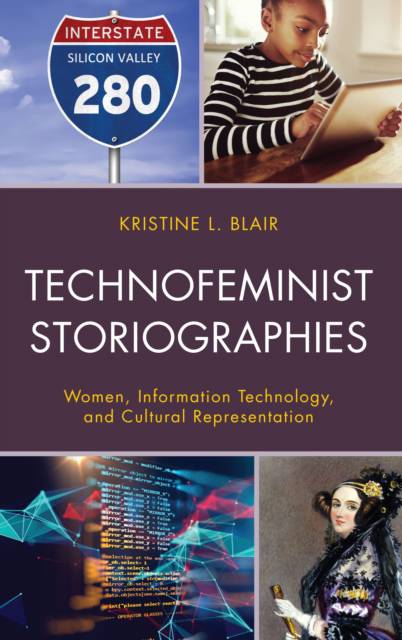
Technofeminist Storiographies
Women, Information Technology, and Cultural Representation
Kristine L Blair
€ 83,45
+ 166 punten
Omschrijving
Technofeminist Storiographies: Women, Information Technology, and Cultural Representation analyzes both historical and contemporary accounts of women's lived experiences of technology, from Ada Lovelace and Hedy Lamarr to women working across the tech industry today, and juxtaposes them with larger cultural representations of women and technology. The book explores both the relationship between gender and technology and the cultural contexts that enable and constrain that relationship, questions that call for opportunities for women to share their lived experiences and to have such experiences represented across media genres. Despite the rich, complex stories and histories women have with technology--as programmers, inventors, and workers--media throughout history, including film, television, games, toys, children's books, and biographies, often inadequately and inaccurately represent them. Throughout the book, Kristine Blair chronicles the portrayal of the relationship between women and information technology across these media genres. Inevitably, the societal conditions that surround technology use--including portrayal through popular media--impact the extent to which women and girls gain and maintain access within those cultural contexts. This book calls for a more visible history of women's technological achievements in which their stories are heard for generations to come, rather than be forgotten and unknown.
Specificaties
Betrokkenen
- Auteur(s):
- Uitgeverij:
Inhoud
- Aantal bladzijden:
- 160
- Taal:
- Engels
- Reeks:
Eigenschappen
- Productcode (EAN):
- 9781498593052
- Verschijningsdatum:
- 9/11/2020
- Uitvoering:
- Paperback
- Formaat:
- Trade paperback (VS)
- Afmetingen:
- 152 mm x 229 mm
- Gewicht:
- 244 g


Alleen bij Standaard Boekhandel
+ 166 punten op je klantenkaart van Standaard Boekhandel
Cadeau

AANGERADEN


Beoordelingen
We publiceren alleen reviews die voldoen aan de voorwaarden voor reviews. Bekijk onze voorwaarden voor reviews.