



- Afhalen na 1 uur in een winkel met voorraad
- In januari gratis thuislevering in België
- Ruim aanbod met 7 miljoen producten
- Afhalen na 1 uur in een winkel met voorraad
- In januari gratis thuislevering in België
- Ruim aanbod met 7 miljoen producten





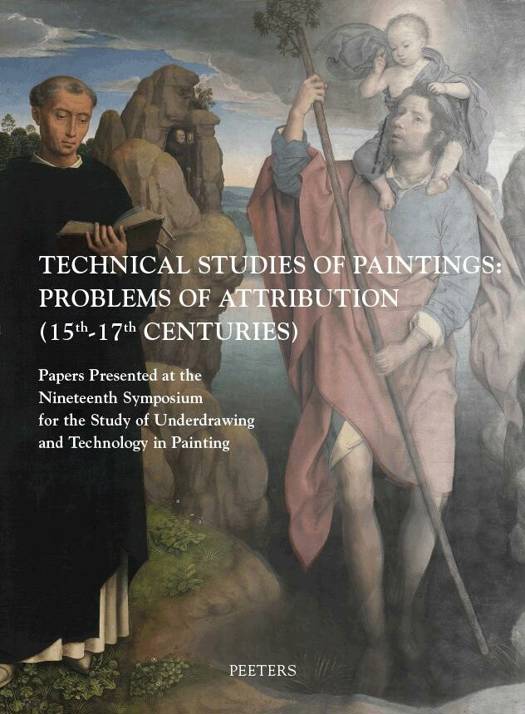
Technical Studies of Paintings
Problems of Attribution (15th-17th Centuries): Papers Presented at the Nineteenth Symposium for the Study of Underdrawing and Technology in Painting Held in Bruges, 11-13 September 2014
€ 115,00
+ 230 punten
Omschrijving
Attributions are central questions in art history. Since the introduction of new examination methods such as radiography, infrared photography and reflectography, conventional art history has undergone major changes. Technical examinations can provide additional arguments for attributing works of art to individual artists or their workshops. However, technical studies often also reveal complex working methods, while new scientific imagery sometimes challenges accepted attributions and instigates reconsiderations of traditional attributions. The XIXth symposium for the Study of Underdrawing and Technology in Painting which was held in Bruges on 11-13 September 2014 was dedicated to technical studies of paintings: problems of attribution (15th-17th centuries). It focussed on the various ways in which technical studies can provide answers to the often complex issue of attribution and will discuss the challenges that art historians face in proposing conclusive theories. This book captures the variety of twenty-four papers presented at the symposium.
Specificaties
Betrokkenen
- Uitgeverij:
Inhoud
- Aantal bladzijden:
- 399
- Taal:
- Engels
- Reeks:
- Reeksnummer:
- nr. 19
- Geïllustreerd:
- Ja
Eigenschappen
- Productcode (EAN):
- 9789042935327
- Verschijningsdatum:
- 6/09/2018
- Uitvoering:
- Paperback
- Formaat:
- Trade paperback (VS)
- Gewicht:
- 585 g

Alleen bij Standaard Boekhandel
+ 230 punten op je klantenkaart van Standaard Boekhandel
Cadeau

AANGERADEN


Beoordelingen
We publiceren alleen reviews die voldoen aan de voorwaarden voor reviews. Bekijk onze voorwaarden voor reviews.