


- Afhalen na 1 uur in een winkel met voorraad
- Gratis thuislevering in België vanaf € 30
- Ruim aanbod met 7 miljoen producten
- Afhalen na 1 uur in een winkel met voorraad
- Gratis thuislevering in België vanaf € 30
- Ruim aanbod met 7 miljoen producten




€ 55,00
+ 110 punten
Omschrijving
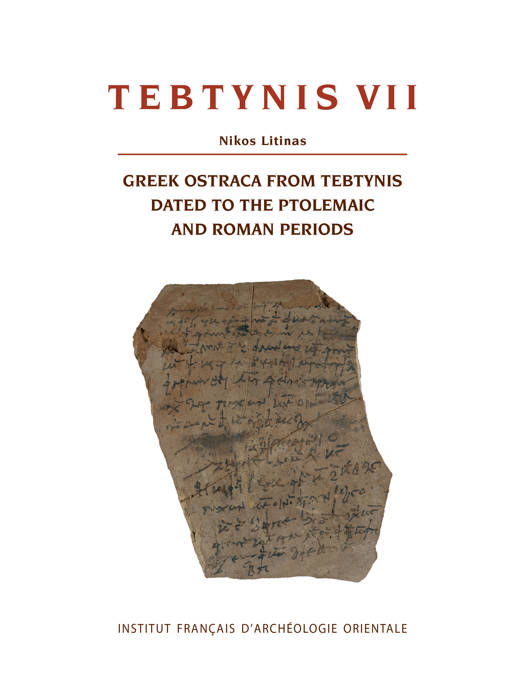
The Greek ostraca in this edition are dated to the Ptolemaic and Roman periods. They were found during fourteen seasons (2005-2018) of the excavations of the joint Mission of the Universita degli Studi di Milano and IFAO under the direction of Prof. Claudio Gallazzi. There is a variety of texts, e.g., a new literary text with peculiar compound words, various school exercises, two groups of ostraca or archives (of Akousilaos and of Papontos), reports, private letters, accounts, receipts, lists, records, memoranda, tags, and some peculiar texts. One of the most important texts of this edition is the complete semi-annual balance sheet of an association. The texts contribute to the social and economic history of Tebtynis and the prosopography of the village. Because of the archaeological context (trench-section-layer), some conclusions can be drawn concerning the place of provenance of the ostraca. There are examples of randomly scattered refuse in open places, e.g., streets, alleys, or courtyards (outside the doors or gates of a house), deliberate refuse in middens and dumps for domestic use in various areas (open places, collapsed houses, etc.) within a neighborhood or outside the village space, and some ostraca were found in the rubbish tips on the south-eastern side of the temple of Soknebtynis.
Specificaties
Betrokkenen
- Auteur(s):
- Uitgeverij:
Inhoud
- Aantal bladzijden:
- 359
- Taal:
- Engels
- Reeks:
- Reeksnummer:
- nr. 7
Eigenschappen
- Productcode (EAN):
- 9782724710915
- Verschijningsdatum:
- 31/12/2025
- Uitvoering:
- Hardcover
- Formaat:
- Genaaid
- Afmetingen:
- 247 mm x 327 mm
- Gewicht:
- 222 g


Alleen bij Standaard Boekhandel
+ 110 punten op je klantenkaart van Standaard Boekhandel
AANGERADEN


Beoordelingen
We publiceren alleen reviews die voldoen aan de voorwaarden voor reviews. Bekijk onze voorwaarden voor reviews.