


- Afhalen na 1 uur in een winkel met voorraad
- Gratis thuislevering in België vanaf € 30
- Ruim aanbod met 7 miljoen producten
- Afhalen na 1 uur in een winkel met voorraad
- Gratis thuislevering in België vanaf € 30
- Ruim aanbod met 7 miljoen producten





€ 56,45
+ 112 punten
Uitvoering
Omschrijving
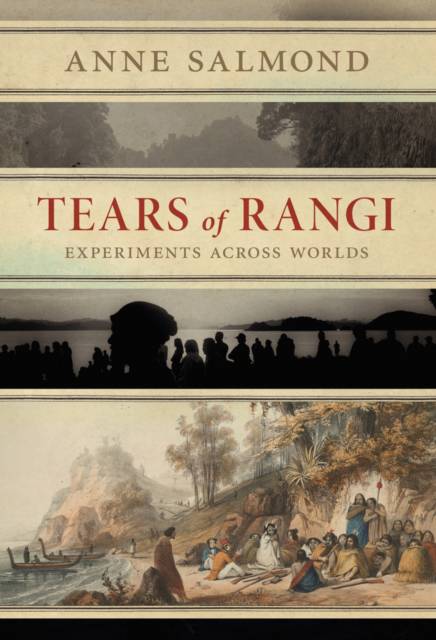
Six centuries ago Polynesian explorers arrived in Aotearoa New Zealand, where they rapidly adapted to new plants, animals, landscapes, and climatic conditions. Four centuries later, European explorers arrived with maps and clocks, grids and fences, and they too adapted to a new island home. In this remote, beautiful archipelago, settlers from Polynesia and Europe (and elsewhere) have clashed and forged alliances; they have fiercely debated what is good and what is right. In her most ambitious book to date, Dame Anne Salmond looks at New Zealand as a site of cosmo-diversity, a place where multiple worlds engage and collide. Beginning with a fine-grained inquiry into the early period of encounters between Maori and Europeans in New Zealand (1769-1840), Salmond then investigates such clashes and exchanges in key areas of contemporary life - waterways, land, the sea and people. In New Zealand, concepts of whakapapa and hau - complex networks and reciprocal exchange - may point to new ways of understanding interactions between peoples, and between people and the natural world. Like our ancestors, Anne Salmond suggests, we too may have a chance to experiment across worlds.
Specificaties
Betrokkenen
- Auteur(s):
- Uitgeverij:
Inhoud
- Aantal bladzijden:
- 512
- Taal:
- Engels
Eigenschappen
- Productcode (EAN):
- 9781869409296
- Verschijningsdatum:
- 15/10/2020
- Uitvoering:
- Paperback
- Formaat:
- Trade paperback (VS)
- Afmetingen:
- 152 mm x 226 mm
- Gewicht:
- 798 g


Alleen bij Standaard Boekhandel
+ 112 punten op je klantenkaart van Standaard Boekhandel
Cadeau

AANGERADEN


Beoordelingen
We publiceren alleen reviews die voldoen aan de voorwaarden voor reviews. Bekijk onze voorwaarden voor reviews.