



Bedankt voor het vertrouwen het afgelopen jaar! Om jou te bedanken bieden we GRATIS verzending (in België) aan op alles gedurende de hele maand januari.
- Afhalen na 1 uur in een winkel met voorraad
- In januari gratis thuislevering in België
- Ruim aanbod met 7 miljoen producten
Bedankt voor het vertrouwen het afgelopen jaar! Om jou te bedanken bieden we GRATIS verzending (in België) aan op alles gedurende de hele maand januari.
- Afhalen na 1 uur in een winkel met voorraad
- In januari gratis thuislevering in België
- Ruim aanbod met 7 miljoen producten




Omschrijving
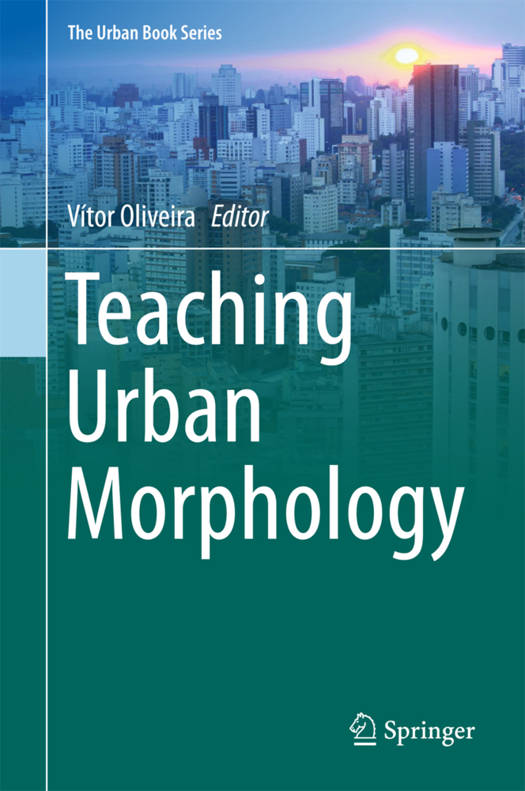
This book brings together contributions from some of the foremost international experts in the field of urban morphology and addresses major questions such as: What exactly is urban morphology?
Specificaties
Betrokkenen
- Uitgeverij:
Inhoud
- Aantal bladzijden:
- 338
- Taal:
- Engels
- Reeks:
Eigenschappen
- Productcode (EAN):
- 9783319761251
- Verschijningsdatum:
- 9/05/2018
- Uitvoering:
- Hardcover
- Afmetingen:
- 158 mm x 243 mm
- Gewicht:
- 762 g

Alleen bij Standaard Boekhandel
+ 337 punten op je klantenkaart van Standaard Boekhandel
SOLDEN


Beoordelingen
We publiceren alleen reviews die voldoen aan de voorwaarden voor reviews. Bekijk onze voorwaarden voor reviews.