


- Afhalen na 1 uur in een winkel met voorraad
- Gratis thuislevering in België vanaf € 30
- Ruim aanbod met 7 miljoen producten
- Afhalen na 1 uur in een winkel met voorraad
- Gratis thuislevering in België vanaf € 30
- Ruim aanbod met 7 miljoen producten





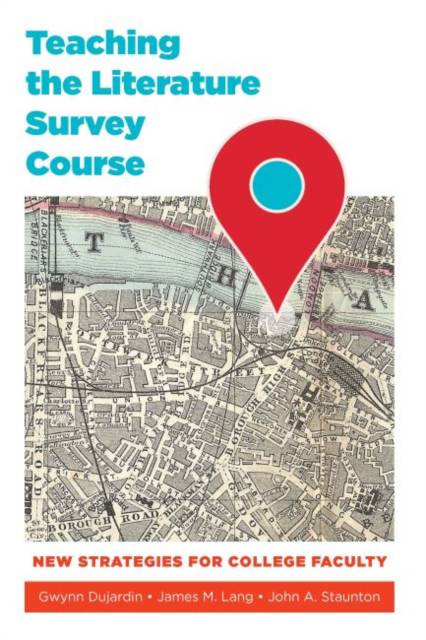
Teaching the Literature Survey Course
New Strategies for College Faculty
€ 39,45
+ 78 punten
Omschrijving
Teaching the Literature Survey Course makes the case for maintaining--even while re-imagining and re-inventing--the place of the survey as a transformative experience for literature students. Through essays both practical and theoretical, the collection presents survey teachers with an exciting range of new strategies for energizing their teaching and engaging their students in this vital encounter with our evolving literary traditions.
?From mapping early English literature to a team-based approach to the American survey, and from multimedia galleries to a "blank syllabus," contributors propose alternatives to the traditional emphasis on lectures and breadth of coverage. The volume is at once a set of practical suggestions for working teachers (including sample documents like worksheets and syllabi) and a provocative engagement with the question of what introductory courses can and should be.
Specificaties
Betrokkenen
- Uitgeverij:
Inhoud
- Aantal bladzijden:
- 276
- Taal:
- Engels
- Reeks:
Eigenschappen
- Productcode (EAN):
- 9781946684097
- Verschijningsdatum:
- 1/01/2018
- Uitvoering:
- Paperback
- Formaat:
- Trade paperback (VS)
- Afmetingen:
- 152 mm x 226 mm
- Gewicht:
- 408 g


Alleen bij Standaard Boekhandel
+ 78 punten op je klantenkaart van Standaard Boekhandel
Cadeau

AANGERADEN


Beoordelingen
We publiceren alleen reviews die voldoen aan de voorwaarden voor reviews. Bekijk onze voorwaarden voor reviews.