


- Afhalen na 1 uur in een winkel met voorraad
- Gratis thuislevering in België vanaf € 30
- Ruim aanbod met 7 miljoen producten
- Afhalen na 1 uur in een winkel met voorraad
- Gratis thuislevering in België vanaf € 30
- Ruim aanbod met 7 miljoen producten





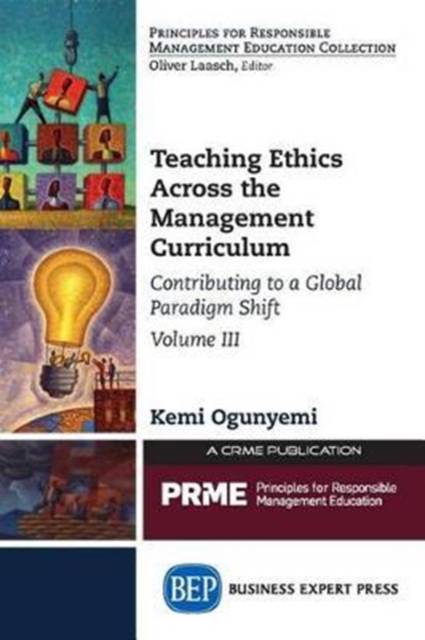
Teaching Ethics Across the Management Curriculum, Volume III
Contributing to a Global Paradigm Shift
Kemi Ogunyemi
Paperback | Engels
€ 30,95
+ 61 punten
Omschrijving
Of those in management education who debates whether business ethics should be taught as a stand-alone course or in an embedded manner, most recommend combining both approaches for optimal results. This book provides unique insights into the experience of seasoned academics who embed business ethics in teaching management theory and practice. Its multidisciplinary approach enriches its content, since the insights of our colleagues from within their fields are invaluable. It therefore complements other business textbooks. After general themes (curriculum integration, adult learning, learner commitment, and generation Y classrooms), this volume covers ethics and responsibility in people management, team building, change management; operations management, business law, and digital marketing communications.The book provides a platform to share experiences of teaching ethical profitability. It contributes to resolving concerns experienced when faculty wish to incorporate ethics into their teaching but feel they lack preparation or ideas on how to do it. The chapters describe each discipline briefly, raise the typical ethical issues therein, and suggest teaching strategies and exercises or projects. The 'developing versus developed country perspectives' sections may interest schools with high student diversity. The book also meets in-company training needs for attaining and sustaining an ethical culture.
Specificaties
Betrokkenen
- Auteur(s):
- Uitgeverij:
Inhoud
- Aantal bladzijden:
- 271
- Taal:
- Engels
Eigenschappen
- Productcode (EAN):
- 9781631575587
- Verschijningsdatum:
- 10/08/2016
- Uitvoering:
- Paperback
- Formaat:
- Trade paperback (VS)
- Afmetingen:
- 152 mm x 229 mm
- Gewicht:
- 385 g



Alleen bij Standaard Boekhandel
+ 61 punten op je klantenkaart van Standaard Boekhandel

Beoordelingen
We publiceren alleen reviews die voldoen aan de voorwaarden voor reviews. Bekijk onze voorwaarden voor reviews.