


- Afhalen na 1 uur in een winkel met voorraad
- Gratis thuislevering in België vanaf € 30
- Ruim aanbod met 7 miljoen producten
- Afhalen na 1 uur in een winkel met voorraad
- Gratis thuislevering in België vanaf € 30
- Ruim aanbod met 7 miljoen producten

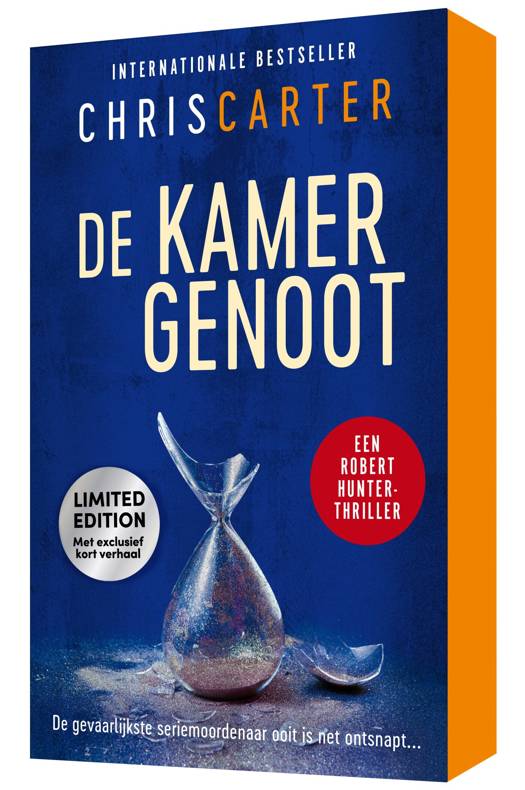



Teachers' and Students' Cognitive Styles in Early Childhood Education
Olivia N Saracho
Hardcover | Engels
€ 169,95
Omschrijving
Some educators feel that children's cognitive styles should be taken into account when learning activities are planned for them. The term cognitive styles refers to one's personal style, and describes an individual's mode of understanding, thinking, remembering, judging, and solving problems; in short, how he or she responds to and makes sense of the world. Assessing this functioning makes more sense than relying on a simple score on a standardized intelligence test. Teachers need to be aware of recent cognitive style research and learn to use the results of this research to plan effective educational programs. This book presents historical perspectives, suggests practical classroom applications, and provides implications for future research.
Specificaties
Betrokkenen
- Auteur(s):
- Uitgeverij:
Inhoud
- Aantal bladzijden:
- 224
- Taal:
- Engels
Eigenschappen
- Productcode (EAN):
- 9780897894869
- Verschijningsdatum:
- 26/08/1997
- Uitvoering:
- Hardcover
- Formaat:
- Genaaid
- Afmetingen:
- 162 mm x 243 mm
- Gewicht:
- 517 g


Alleen bij Standaard Boekhandel
Cadeau

AANGERADEN


Beoordelingen
We publiceren alleen reviews die voldoen aan de voorwaarden voor reviews. Bekijk onze voorwaarden voor reviews.