


- Afhalen na 1 uur in een winkel met voorraad
- Gratis thuislevering in België vanaf € 30
- Ruim aanbod met 7 miljoen producten
- Afhalen na 1 uur in een winkel met voorraad
- Gratis thuislevering in België vanaf € 30
- Ruim aanbod met 7 miljoen producten





€ 206,45
+ 412 punten
Omschrijving
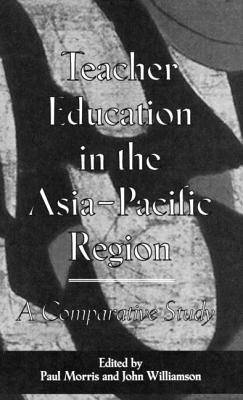
This book investigates the relationships between education and national development in an area of the world where both have acquired considerable importance. It questions assumptions which view education primarily as a direct investment in human capital and approaches which measure the efficacy of educational provision solely in terms of quantifiable differences between inputs and outputs. Unlike most of the more general works in this field, it does not set out either to confirm or to refute a particular theory. Instead, the main perspectives which have been adopted to explain the role of education in development are explored. The role of education in the development of eight societies in East Asia, including Japan, Hong Kong, Singapore, Taiwan, South Korea, Malaysia, Macau, and the People's Republic of China, is examined. These societies are compared in order to highlight the diverse and complex role played by education in their development.
Specificaties
Betrokkenen
- Auteur(s):
- Uitgeverij:
Inhoud
- Aantal bladzijden:
- 334
- Taal:
- Engels
- Reeks:
- Reeksnummer:
- nr. 48
Eigenschappen
- Productcode (EAN):
- 9780815318569
- Verschijningsdatum:
- 1/01/2000
- Uitvoering:
- Hardcover
- Formaat:
- Genaaid
- Afmetingen:
- 140 mm x 216 mm
- Gewicht:
- 571 g


Alleen bij Standaard Boekhandel
+ 412 punten op je klantenkaart van Standaard Boekhandel
Cadeau

AANGERADEN


Beoordelingen
We publiceren alleen reviews die voldoen aan de voorwaarden voor reviews. Bekijk onze voorwaarden voor reviews.